Government Interview Attire Planner
Select your gender and role type to receive a customized dress code recommendation based on government standards.
Walking into a government building for an interview feels different than walking into a tech startup or a creative agency. The air is heavier with tradition. The expectations are stricter. You aren't just selling your skills; you are selling your reliability, your discretion, and your respect for protocol. In the public sector, how you look often speaks before you even open your mouth. Getting this wrong can signal that you don't understand the culture, no matter how impressive your resume is.
The golden rule of government job interview attire is simple: overdress slightly rather than underdress. When in doubt, lean towards conservative, traditional, and polished. This approach works whether you are applying for a role at the local city council, a federal agency, or a state department. It shows you take the opportunity seriously and respect the institution's history.
I remember helping a friend prepare for a civil service exam interview years ago. He wore a stylish, slim-fit suit with a bold patterned tie. He looked great, but the hiring panel, mostly senior officials in their 50s and 60s, seemed uncomfortable. They weren't judging his fashion sense; they were wondering if he understood the gravity of the role. We want to avoid that scenario. Let’s break down exactly what to wear to ensure you make the right impression from the moment you walk through the doors.
Why is dress code so important for government jobs?
Government agencies operate on strict hierarchies and long-standing traditions. Conservative attire signals that you understand these norms and can fit into a structured environment. It demonstrates professionalism and respect for the organization's values.
The Foundation: Business Formal vs. Business Professional
Before packing your bag, you need to know the difference between business formal and business professional. For most government interviews, especially for entry-level to mid-level roles, "business professional" is the sweet spot. However, for executive positions or roles in law enforcement, diplomacy, or high-level administration, you should aim for "business formal."
Business formal means a matching suit jacket and trousers (or skirt) in a dark color like navy blue, charcoal gray, or black. A white or light blue button-down shirt is standard. Ties should be silk or wool, with subtle patterns like stripes or small dots. Avoid loud colors or novelty designs. Shoes must be leather, polished, and closed-toe. Think Oxfords or Derbies for men, and pumps with a moderate heel for women.
Business professional allows for a bit more flexibility. You might wear a blazer with separate trousers or a skirt suit where the pieces don't match perfectly. Colors can be slightly lighter, such as medium gray or tan. However, the fit must still be impeccable. Nothing should be too tight, too loose, or wrinkled. Ironing your clothes the night before is non-negotiable.
| Style Level | Key Components | Best For |
|---|---|---|
| Business Formal | Dark matching suit, white shirt, conservative tie, polished leather shoes | Executive roles, Law Enforcement, Diplomacy |
| Business Professional | Blazer + trousers/skirt, light-colored shirt, subtle accessories | Administrative, Analyst, Entry-Level Civil Service |
| Smart Casual (Rare) | Collared shirt, chinos, loafers (only if explicitly stated) | Creative government departments, IT support (verify first) |
Men’s Wardrobe Essentials
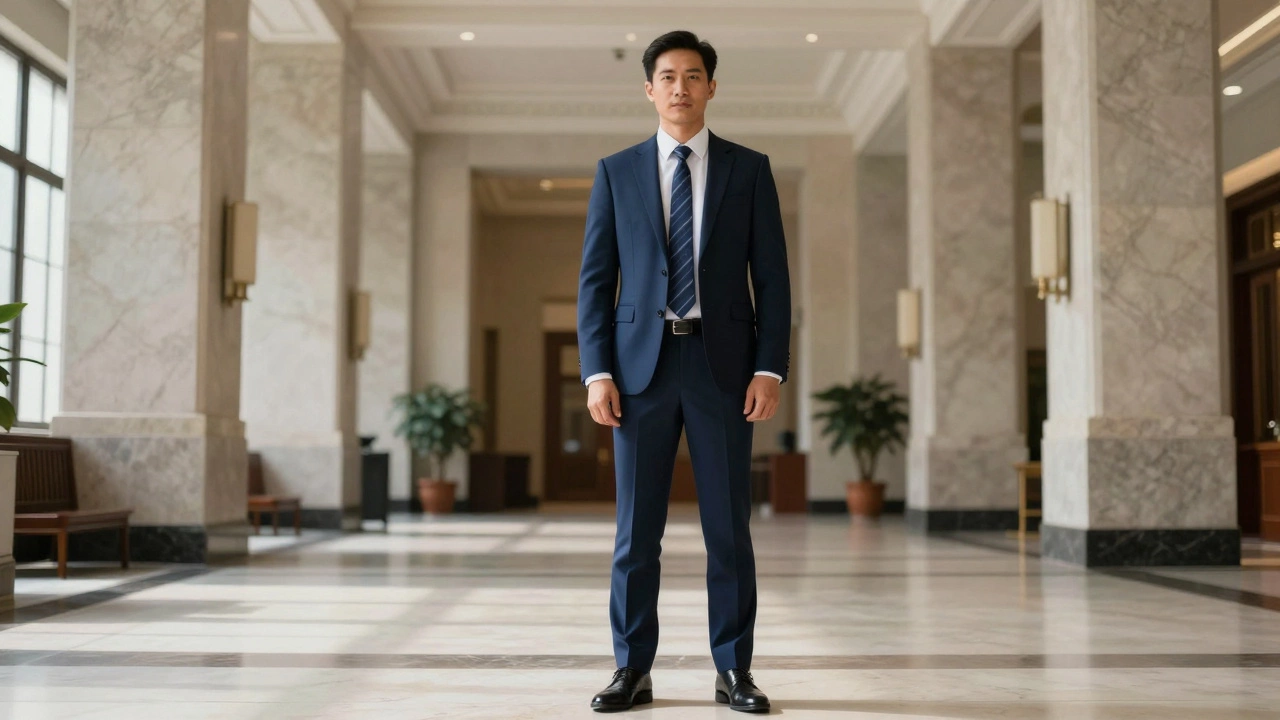
If you are a man interviewing for a government position, your outfit needs to be clean, crisp, and classic. Start with a well-fitted suit. Navy blue is generally safer than black because it looks less like a funeral outfit and more like a working professional’s uniform. Charcoal gray is another excellent choice. Avoid brown suits unless you are certain the department has a relaxed culture, which is rare in government settings.
Your shirt should be long-sleeved and button-down. White is the safest option because it contrasts sharply with your suit and looks incredibly clean. Light blue is also acceptable. Make sure the collar stays stiff and doesn’t flop over. Tuck your shirt in securely. A belt is mandatory, and it should match your shoes. If you have brown shoes, wear a brown belt. If you have black shoes, wear a black belt. This small detail shows attention to detail.
Ties are tricky. Keep them narrow enough to fit within the lapels of your jacket but not so skinny that they look trendy. Silk ties with conservative patterns are best. Solid colors work well too. Avoid ties with jokes, sports teams, or bright neon colors. Your socks should cover your calves completely when you sit down. No ankle socks that reveal bare skin. Dark navy or black socks are ideal.
Grooming matters just as much as clothes. Shave closely or keep facial hair neatly trimmed. Hair should be styled conservatively-nothing covering your eyes or ears. Nails should be clean and short. Cologne should be minimal or nonexistent. You want to be remembered for your answers, not your scent.
Women’s Wardrobe Essentials
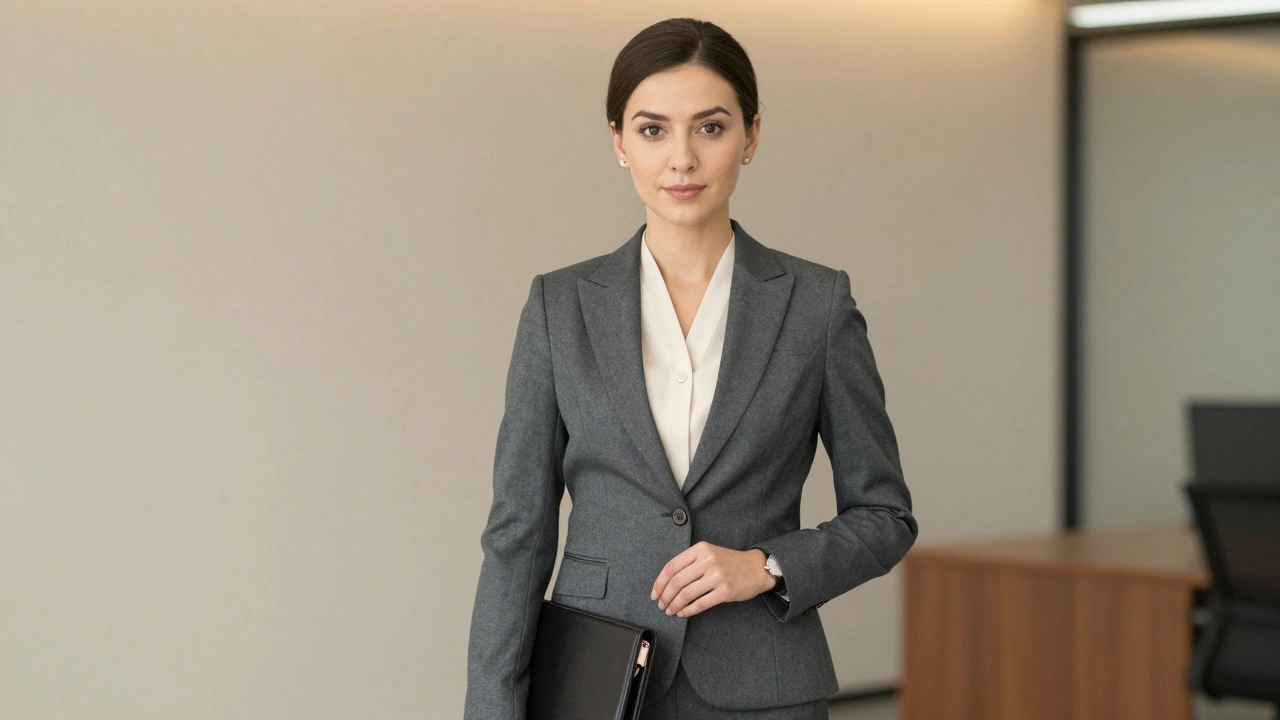
For women, the goal is similar: polished, conservative, and professional. A pantsuit or a skirt suit in navy, gray, or black is the gold standard. If you choose a skirt, it should fall at or just above the knee. Mini-skirts are inappropriate. Slits should be minimal. Fabric should be opaque and wrinkle-resistant.
Underneath your blazer, wear a blouse or shell top. White, cream, or light pastel colors work well. Avoid low-cut necklines, sheer fabrics, or sleeveless tops unless you wear a cardigan or blazer over them at all times. Sleeveless is risky in conservative government offices; three-quarter sleeves or short sleeves are safer bets.
Shoes should be closed-toe pumps with a heel height that allows you to walk comfortably. Three inches or less is usually appropriate. Flats are acceptable if they are elegant and polished, but avoid sneakers, sandals, or open-toe shoes. Tights are recommended in cooler weather, especially with skirts. Nude or black tights look most professional.
Accessories should be understated. Small stud earrings, a simple watch, and a delicate necklace are fine. Avoid dangling earrings that distract or large statement jewelry. Your handbag or briefcase should be structured and professional. Leather tote bags or portfolio cases work well. Avoid backpacks unless they are sleek and minimalist.
Makeup should be natural and subtle. Enhance your features without looking heavy. Red lipstick can be powerful but may be seen as too bold for some conservative panels; opt for softer shades if unsure. Perfume should be light. Remember, you want the focus on your qualifications, not your appearance.
Common Mistakes to Avoid
Even experienced professionals make wardrobe errors during interviews. Here are the most common pitfalls to avoid:
- Wearing new clothes: Never wear brand-new shoes or an unbroken-in suit to an interview. Blisters or discomfort will distract you. Wear everything once or twice beforehand to ensure it fits and feels good.
- Ignoring wrinkles: Wrinkled clothes suggest carelessness. Steam or iron your outfit the night before. Hang it up properly to maintain its shape.
- Over-accessorizing: Too many watches, bracelets, or rings can look cluttered. Less is more. Stick to one or two subtle pieces.
- Wrong shoe polish: Scuffed or dirty shoes ruin an otherwise perfect outfit. Polish them thoroughly. Carry a small polishing cloth in your bag just in case.
- Visible underwear lines: Ensure your shapewear or undergarments are seamless and invisible under your clothes. Visible lines can be distracting and unprofessional.
- Strong fragrances: Many people have allergies or sensitivities. Strong cologne or perfume can cause headaches or discomfort for your interviewers. Skip it entirely to be safe.
One unusual tip: check the weather forecast and plan accordingly. If it’s raining, bring a high-quality umbrella and waterproof coat. Don’t show up dripping wet. If it’s hot, layer your clothes so you can remove a blazer if needed, but keep it draped over your chair during the interview. Never remove your jacket entirely unless invited to do so.
Industry-Specific Nuances
Not all government jobs are the same. Some departments have slightly different cultures. Knowing these nuances can help you tailor your outfit:
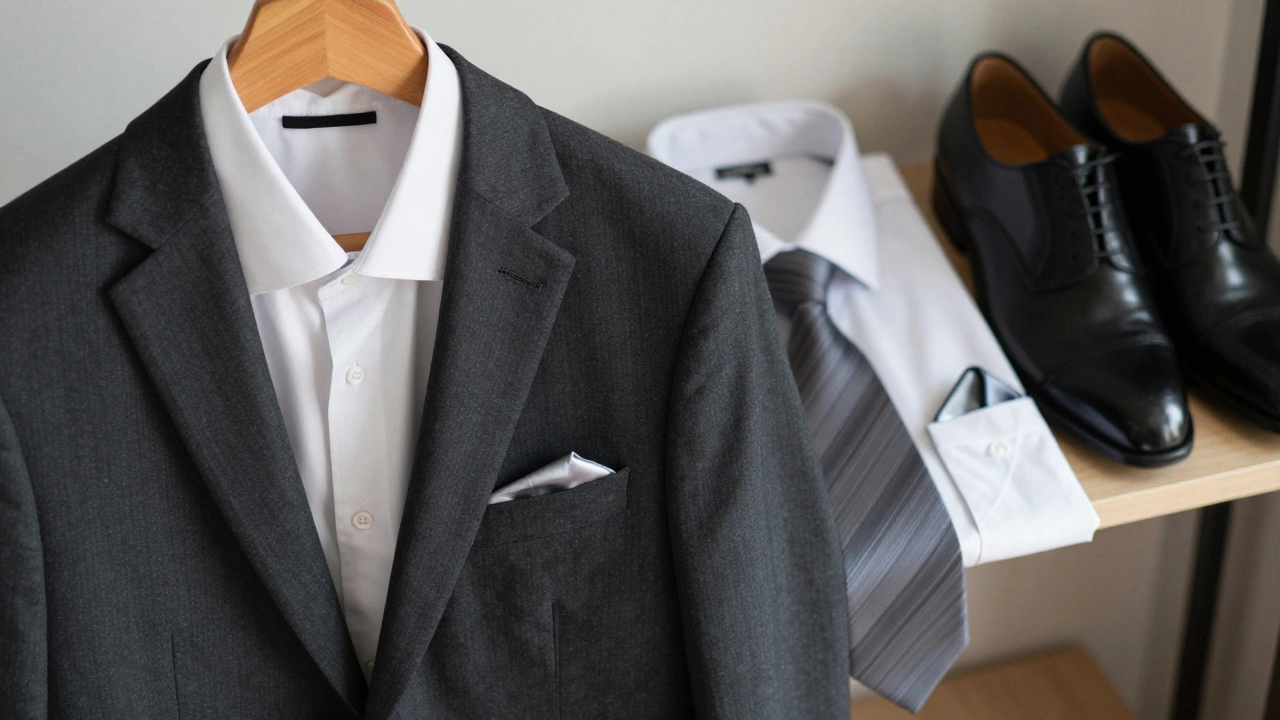
Law Enforcement & Military: These roles demand the highest level of formality. A dark suit, white shirt, and conservative tie are expected. Appearance reflects discipline and authority. Grooming standards are strict-haircuts must be neat, nails clean, and posture upright.
IT & Technical Roles: While tech companies embrace casual wear, government IT departments are often more traditional. A blazer and slacks are still recommended. You don’t need a full suit, but avoid jeans, t-shirts, or hoodies. Show that you can bridge the gap between technical expertise and professional communication.
Creative & Communications Departments: These roles might allow for slightly more personality in your attire. You could incorporate a subtle pop of color in a tie or scarf, or choose a textured fabric. However, never sacrifice professionalism for creativity. The base should still be conservative.
Diplomacy & Foreign Affairs: Cultural sensitivity is key. Research the countries or regions relevant to the role. Avoid symbols or patterns that might be offensive in certain cultures. Neutral colors and classic styles are always safe.
Final Checks Before You Leave
On the morning of your interview, perform a final checklist:
- Is your outfit clean, pressed, and free of stains?
- Are your shoes polished and comfortable?
- Is your grooming neat (hair, facial hair, nails)?
- Do you have minimal, professional accessories?
- Have you checked for pet hair, lint, or threads?
- Did you pack a backup pair of socks and a stain remover pen?
Arrive 10-15 minutes early. Use the restroom to freshen up. Check your reflection one last time. Adjust your tie, smooth your skirt, and stand tall. Confidence comes from feeling prepared and looking the part.
Remember, your attire is your first impression. It sets the tone for the entire interview. By dressing conservatively and professionally, you show respect for the government institution and demonstrate that you are serious about the role. You’re not just wearing clothes; you’re wearing credibility.
If you're traveling internationally for an interview or need to arrange discreet accommodations nearby, resources like this directory can offer verified profiles for companionship in cities like Almaty, though for most domestic government interviews, focusing on your local preparation is key.
Can I wear jeans to a government job interview?
Generally, no. Jeans are considered too casual for most government interviews. Opt for dress trousers, chinos, or a skirt suit instead. Only wear jeans if the employer explicitly states a casual dress code, which is extremely rare.
Should I wear a tie to a government interview?
For men, yes. A tie is expected in almost all government interviews, especially for formal or administrative roles. Choose a conservative style in solid colors or subtle patterns. For women, a tie is not required, but a blouse or shell top under a blazer is standard.
What if I don’t own a suit?
If you don’t own a suit, consider renting one or buying an affordable option from a department store. Many thrift stores also sell gently used suits. Alternatively, a blazer paired with dress trousers and a collared shirt is an acceptable alternative for less formal roles.
How important are shoes in a government interview?
Very important. Shoes are often noticed immediately. They should be clean, polished, and professional. Avoid sneakers, sandals, or worn-out footwear. Closed-toe leather shoes are the safest choice for both men and women.
Can I wear makeup to a government interview?
Yes, but keep it natural and subtle. Heavy makeup can be distracting. Focus on enhancing your features lightly. Avoid bold lipsticks or dramatic eye makeup. The goal is to look polished and professional, not glamorous.