CBSE vs State Board Decision Helper
Loading...
Analyzing Results...
Why CBSE fits you:
Considerations for State Boards:
Walk into any classroom in New Delhi or Mumbai, and you’ll likely see a syllabus book with "CBSE" printed on the cover. For millions of students across India, this acronym isn't just a label; it’s the framework that dictates what they study, how they are assessed, and ultimately, their academic trajectory. But if you’ve ever wondered exactly what CBSE stands for, you’re not alone. It is one of those terms so ubiquitous in the Indian education landscape that people often use it without knowing its full meaning.
The answer is straightforward: Central Board of Secondary Education is a national-level board of education in India that manages secondary and senior secondary education. Established in 1954, this organization plays a pivotal role in standardizing education across public and private schools in the country. Understanding what it actually does goes beyond memorizing an acronym; it helps parents, students, and educators navigate the complex web of curricula, examinations, and career pathways available in India.
Origins and Core Function of the Board
To understand the weight of the acronym, we have to look at history. The Central Board of Secondary Education was founded in 1954 by the Government of India. Its primary mission was to bring uniformity to secondary education, which was previously fragmented across different states and regions. Before CBSE, a student moving from one state to another might face entirely different teaching methods and assessment criteria. The board solved this by creating a standardized curriculum that could be followed anywhere in India, and even abroad.
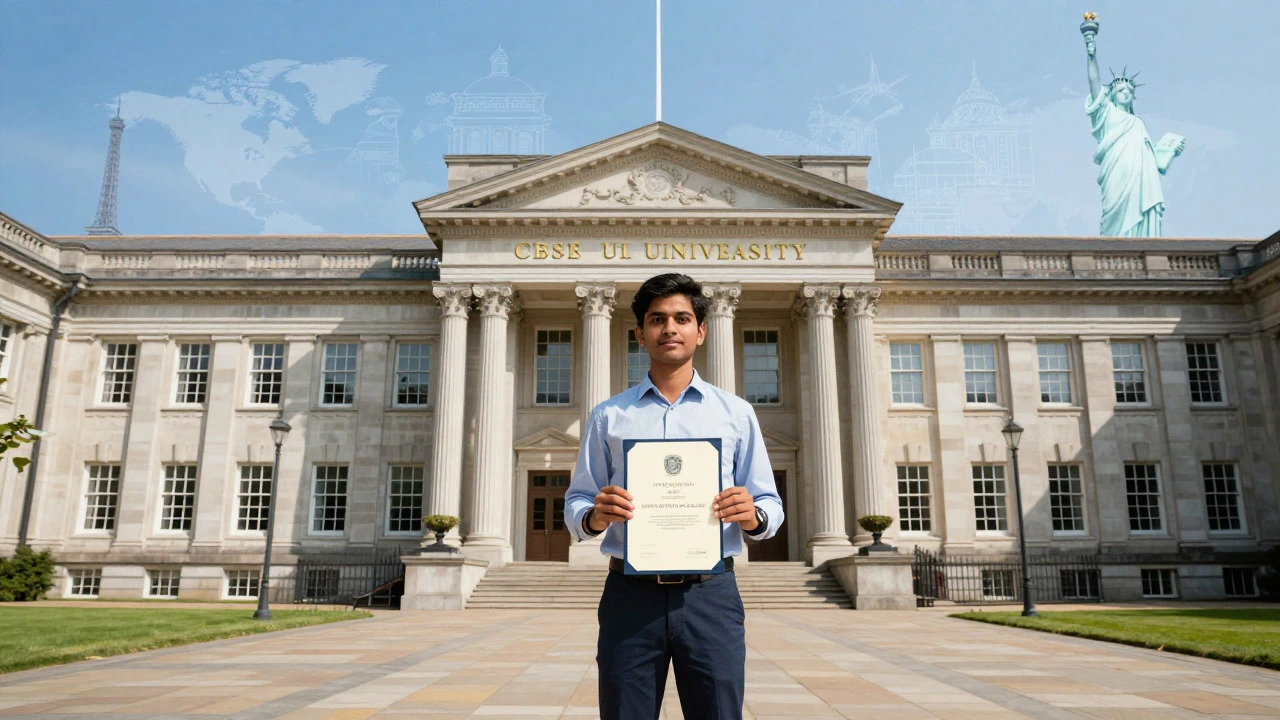
The board operates under the Ministry of Education, Government of India. It doesn’t just set rules; it actively oversees the entire educational process for affiliated schools. This includes prescribing the curriculum, conducting annual examinations for Class 10 (Matriculation) and Class 12 (Intermediate), and issuing certificates. Because of this centralized control, a CBSE certificate is recognized globally, making it easier for Indian students to apply for universities in the UK, USA, Canada, and Australia.
How CBSE Differs from State Boards
A common point of confusion is how CBSE compares to State Boards. In India, education is largely managed at the state level. Each state has its own board (like Haryana Board, Maharashtra State Board, etc.) that sets its own syllabus. However, CBSE is a central body. While State Boards focus on regional languages and local cultural contexts, CBSE maintains a more uniform, English-medium approach.
This distinction matters for several reasons:
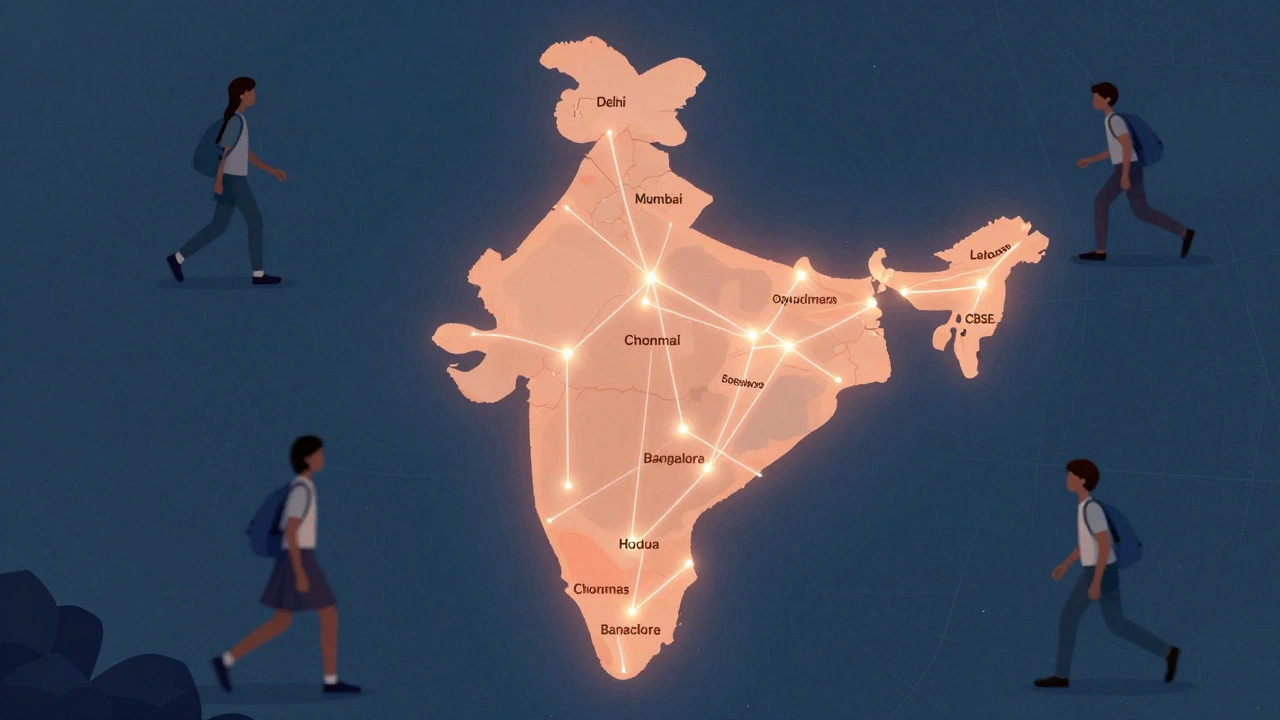
- Portability: If your family relocates from Chennai to Bangalore, a child studying in a CBSE school can continue seamlessly without changing their syllabus. A child in a State Board school might need to switch books and adapt to new evaluation patterns.
- Competition Prep: Many competitive exams like JEE (Engineering) and NEET (Medical) align closely with the CBSE and NCERT curriculum. Students from CBSE schools often find it easier to prepare for these national entrance exams because their daily schoolwork overlaps significantly with the competitive exam syllabus.
- Global Recognition: International universities are more familiar with CBSE grading systems than with the varied grading scales of individual state boards.
The Role of NCERT Textbooks
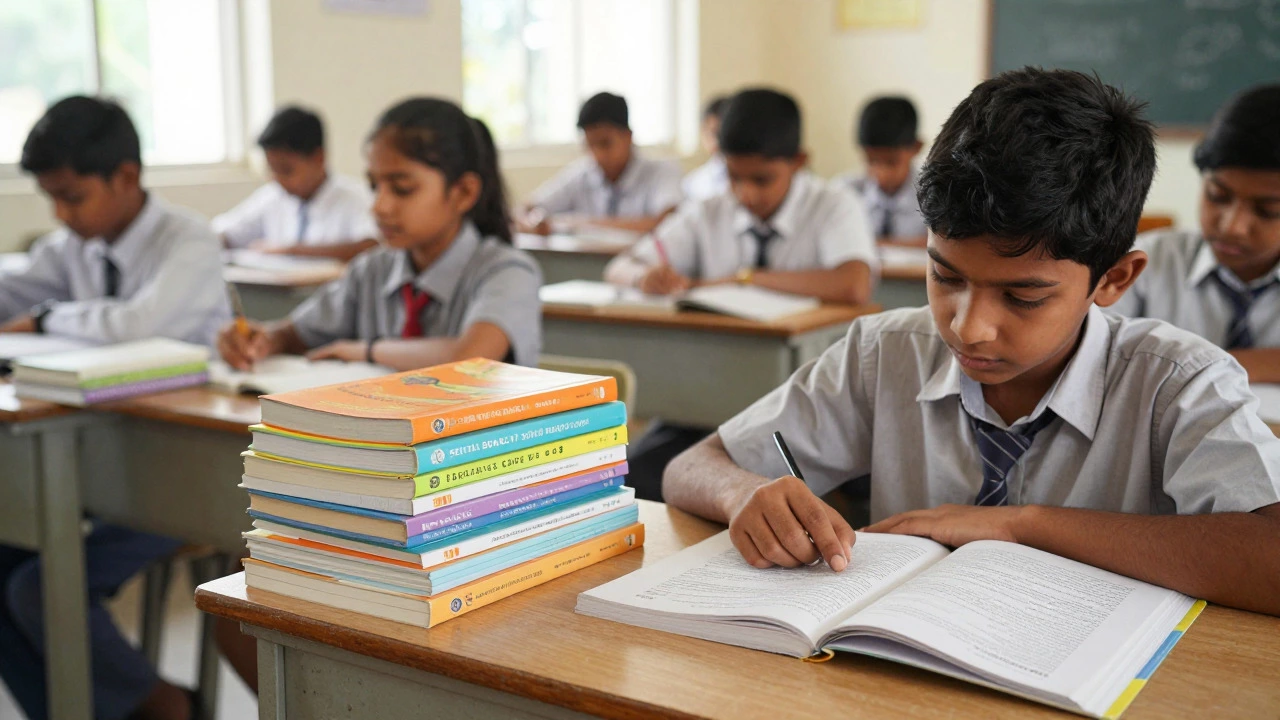
You cannot talk about CBSE without mentioning NCERT, which stands for National Council of Educational Research and Training. While CBSE is the examining body, NCERT is the content creator. NCERT develops the textbooks that form the backbone of the CBSE curriculum. These books are written by subject experts and are designed to be clear, concise, and aligned with the latest pedagogical trends.
For Class 10 and 12 students, NCERT textbooks are not just supplementary reading; they are essential. A significant portion of the CBSE board exams is directly derived from NCERT content. In fact, for subjects like Science and Social Studies, mastering the NCERT text line-by-line is often considered a prerequisite for scoring high marks. This close relationship between the board and the textbook publisher ensures consistency in what is taught and what is tested.
Curriculum Structure and Assessment Patterns
The CBSE curriculum is divided into two main stages: Secondary (Classes 6-10) and Senior Secondary (Classes 11-12). At the Senior Secondary level, students choose a stream: Science, Commerce, Arts/Humanities, or Applied Arts. Each stream has core subjects and elective options, allowing for some customization based on career goals.
Assessment in CBSE has evolved over the years. It is no longer just about rote memorization. The board has introduced Continuous and Comprehensive Evaluation (CCE), which assesses students throughout the year through projects, assignments, practicals, and internal assessments. The final board examination accounts for a specific percentage of the total grade, while internal assessments make up the rest. This holistic approach aims to evaluate a student’s understanding rather than just their ability to reproduce information under pressure.
| Feature | CBSE | State Boards |
|---|---|---|
| Governing Body | Ministry of Education, Govt of India | Respective State Governments |
| Language Medium | Primarily English | English and Regional Languages |
| Textbook Source | NCERT | State-specific publishers |
| Portability | High (All India) | Low (State-specific) |
| Competitive Exam Alignment | Strong (JEE/NEET) | Varies by State |
Why Parents Choose CBSE Schools
When families decide on a school, the board affiliation is often the first question asked. Why do so many opt for CBSE? The primary driver is stability. In a country as diverse as India, where job opportunities and higher education institutions are concentrated in metropolitan areas, having a nationally recognized qualification simplifies the transition. A CBSE student from a small town in Rajasthan can move to Delhi for university without facing a gap in their academic recognition.
Additionally, CBSE schools often have access to better infrastructure and extracurricular resources. Many top-tier private schools in India are CBSE affiliates, offering facilities like science labs, computer centers, and sports complexes that may not be as prevalent in smaller state-board schools. This environment fosters a well-rounded development, preparing students not just for exams, but for the rigors of higher education.
Common Misconceptions About CBSE
Misinformation about CBSE is rampant. One frequent myth is that CBSE is only for elite or wealthy families. While true that many premium private schools follow CBSE, there are also government-run Kendriya Vidyalayas and Jawahar Navodaya Vidyalayas that offer CBSE education at little to no cost. Another misconception is that CBSE is harder than State Boards. Difficulty is subjective and depends on the student's learning style. Some students thrive in the structured, theory-heavy CBSE model, while others prefer the localized context of State Boards.
It’s also worth noting that CBSE is not the only option for international students in India. CIS (Cambridge International School) and IB (International Baccalaureate) are popular alternatives for expatriate communities. However, for Indian citizens planning to stay in the country for higher education, CBSE remains the most pragmatic choice due to its alignment with national entrance exams.
Frequently Asked Questions
Is CBSE only for English medium students?
While CBSE is predominantly English medium, it does offer Hindi and other language options for certain subjects. However, the core instruction and examination language is primarily English, making it ideal for students who are comfortable in English.
Can I switch from a State Board to CBSE midway through high school?
Yes, but it requires careful planning. You must ensure that the subjects you have studied in the State Board match the prerequisites for the CBSE class you are entering. Lateral entry is possible, but you may need to bridge any gaps in the curriculum, especially in Science and Mathematics.
Does CBSE conduct exams for all classes?
No. CBSE conducts formal board examinations only for Class 10 and Class 12. For Classes 6-9 and 11, assessments are conducted internally by the schools, though they must follow CBSE guidelines.
Is a CBSE certificate valid for foreign universities?
Yes. CBSE is recognized by most major international universities. However, some institutions may require additional documentation or standardized test scores (like SAT or IELTS) alongside the CBSE certificate.
What is the difference between CBSE and ICSE?
ICSE (Indian Certificate of Secondary Education) is another major board. ICSE tends to have a slightly more detailed syllabus and emphasizes conceptual depth over speed. CBSE is more streamlined and focused on national competitive exams. Both are respected, but CBSE has a larger network of affiliated schools.