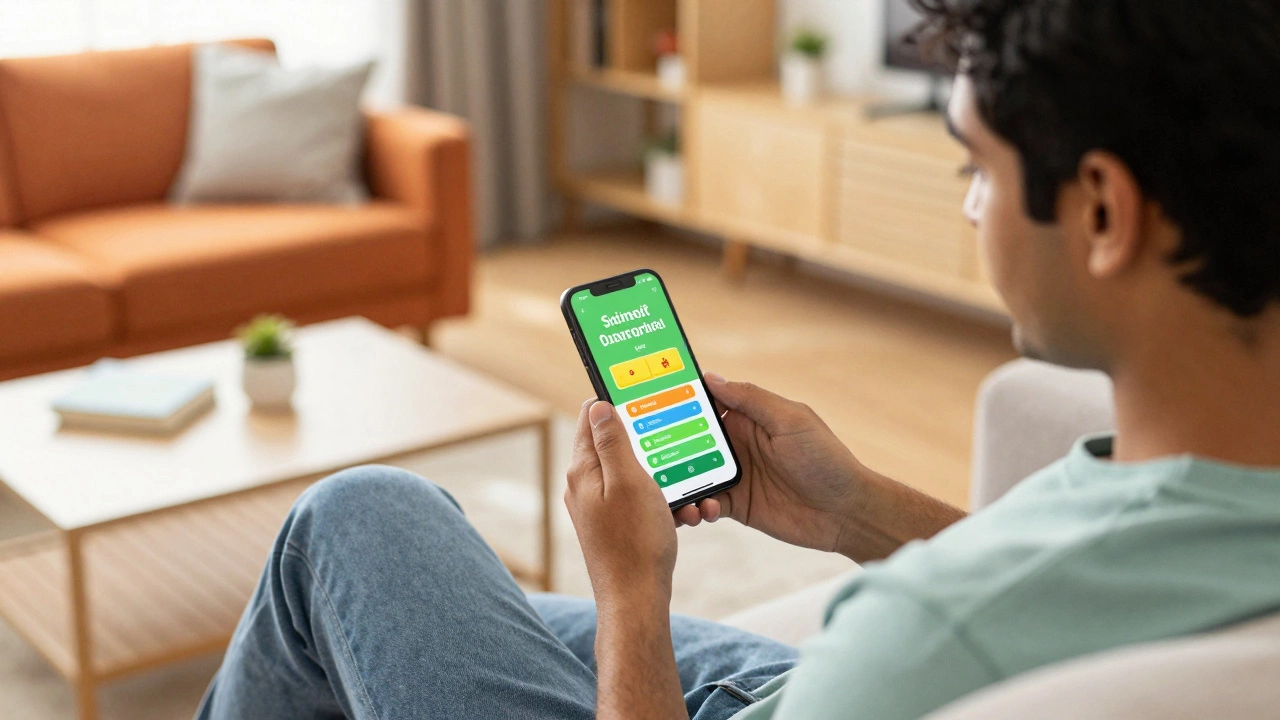
Free English Study Plan Generator
Your Personalized Daily Routine
Key Takeaways for Fast Progress
- Use a mix of apps for vocabulary and videos for listening.
- Focus on the 1,000 most common words first to cover 80% of daily conversations.
- Speak out loud every day, even if you are alone.
- Use free exchange platforms to talk with native speakers.
- Consistency beats intensity; 20 minutes daily is better than 5 hours once a week.
The Best Free Tools to Start Your Journey
You don't need a textbook to start. There are several powerhouse tools that provide structured paths for beginners. The trick is not to use ten different apps, but to pick one or two and stick with them.
For a gamified experience, Duolingo is the most famous for a reason. It treats learning like a game, which helps you stay motivated. While it won't make you fluent on its own, it is great for building a basic vocabulary and understanding simple sentence structures. If you want something more focused on how people actually talk, try Memrise. It uses short clips of native speakers, which helps you get used to real accents and speed.
If you prefer a more academic approach, BBC Learning English is an absolute goldmine. It provides free courses that range from absolute beginner to advanced levels. They have a specific section called "6 Minute English" which is perfect for people who only have a few minutes during a commute to improve their listening skills.
| Resource | Best For | Learning Style | Time Commitment |
|---|---|---|---|
| Duolingo | Vocabulary & Basics | Gamified/Interactive | 5-15 mins/day |
| BBC Learning English | Grammar & Listening | Structured Lessons | 10-30 mins/day |
| YouTube | Pronunciation & Culture | Visual/Auditory | Variable |
| HelloTalk | Real Conversation | Social/Peer-to-peer | As needed |
Mastering the Art of Listening
You can't speak a language if you can't hear the patterns. Many beginners make the mistake of jumping straight into grammar books, but your brain needs to "soak" in the sound of English first. This is called comprehensible input.
Start with YouTube. Search for "English for beginners" or "Easy English." There are channels specifically designed to speak slowly and use simple words. Watch videos with English subtitles turned on-not subtitles in your own language. This connects the sound of the word to its written form in your head.
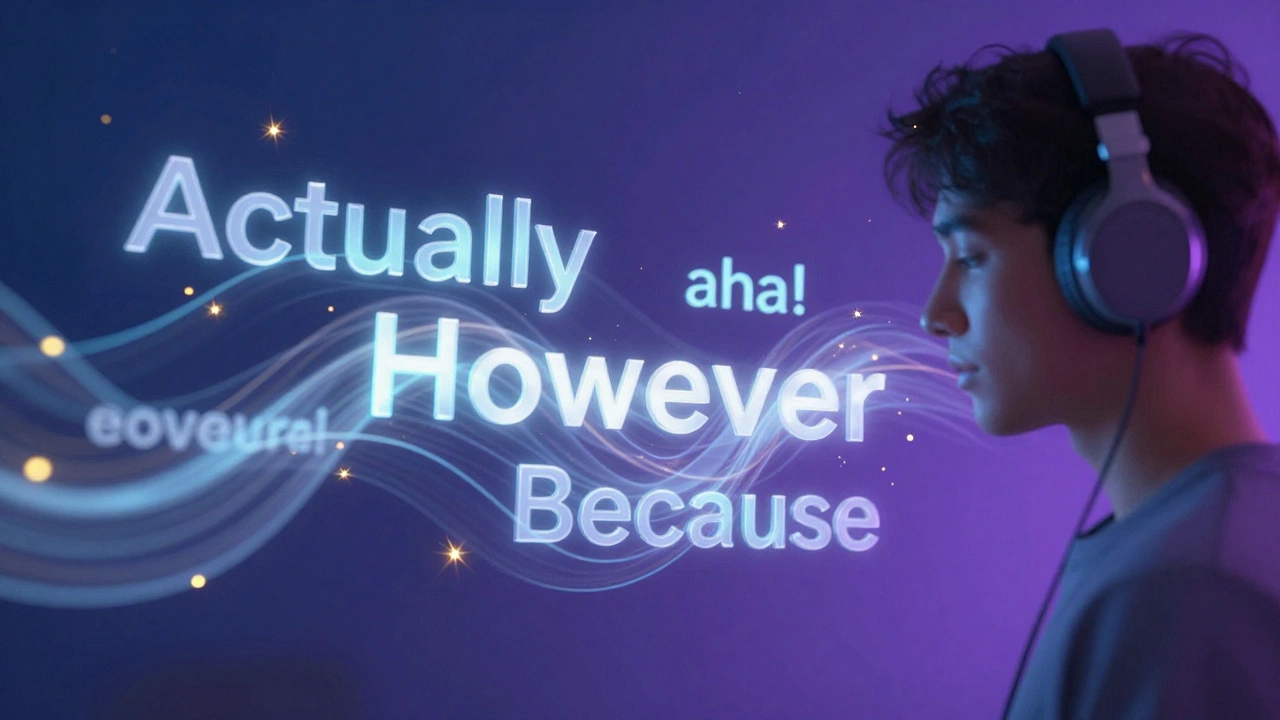
Another great hack is to listen to podcasts. Even if you don't understand every word, let the English audio play in the background while you do chores. This helps your ears get used to the rhythm and intonation of the language. When you start recognizing words like "because," "actually," or "however," you are beginning to map the structure of the language.
How to Practice Speaking Without a Partner
The biggest fear for any beginner is sounding "stupid" or making mistakes. The good news is that you can practice speaking in private before you ever talk to another human.
Try the "Shadowing Technique." This is where you listen to a native speaker and repeat exactly what they say immediately after they say it. Don't wait for the sentence to finish; try to mimic their speed, their emotion, and where they pause. This trains your mouth muscles to produce sounds that might not exist in your native language.
Another method is self-narration. Start describing your day as you do it. "I am making coffee now," or "I am opening the door." It sounds silly, but it forces you to translate your thoughts into English in real-time. When you hit a word you don't know, write it down and look it up later. This creates a personalized vocabulary list based on your own life, which is much more useful than a random list of animals or colors from a textbook.
Finding Free Conversation Partners
Once you have a few basic sentences under your belt, you need to test them in the real world. You don't need to fly to London or New York; you just need an app that connects you with language learners.
HelloTalk and Tandem are two of the best platforms for this. They work on a "language exchange" basis: you help someone learn your native language, and in return, they help you with your English. It is a win-win situation.
To make these conversations productive, don't just say "Hello, how are you?" Give your partner a topic. For example, "Let's talk about our favorite foods for five minutes." This keeps the conversation focused and prevents the awkward silence that often happens when beginners don't know what to say next.

Common Pitfalls to Avoid
Many people quit learning English because they set unrealistic goals. They want to be fluent in three months, and when they aren't, they feel like they've failed. Language learning is a marathon, not a sprint.
Avoid the "Grammar Trap." Do not spend hours studying complex tenses like the Future Perfect Continuous if you can't yet order a sandwich. Focus on the present tense and the simple past first. In most daily conversations, you only need a few basic tenses to be understood. If you obsess over perfect grammar, you will be too afraid to speak, and speaking is the only way to actually learn.
Also, stop translating everything in your head. Translating from your native language to English takes a long time and often leads to unnatural phrasing. Instead, try to associate a word directly with an image. When you see an apple, don't think of the word for apple in your language and then translate it to "apple"; just look at the fruit and think "apple." This is how you start thinking in English.
How long does it take to learn basic English for free?
It depends on your consistency. If you spend 30 to 60 minutes a day using a mix of apps, listening to podcasts, and practicing speaking, you can reach a basic conversational level (A1 or A2 on the CEFR scale) in 3 to 6 months. The key is daily exposure rather than occasional long sessions.
Are free apps really enough to learn English?
Apps are great for vocabulary and basic grammar, but they aren't enough for fluency. To truly learn, you must combine apps with active listening (YouTube/Podcasts) and active speaking (Language exchanges/Shadowing). Apps provide the building blocks, but conversation is where the house gets built.
What is the fastest way to improve my speaking?
The fastest way is the Shadowing Technique combined with daily conversation. Mimicking native speakers helps with pronunciation and rhythm, while talking to real people through apps like Tandem helps you handle the unpredictability of real conversation.
Do I need to learn grammar rules immediately?
No. Start with common phrases and vocabulary. Once you can say basic things, you will naturally notice patterns in the language. That is the best time to look up the specific grammar rule that explains why a sentence is formed that way. This makes grammar feel like a solution to a puzzle rather than a boring chore.
How can I stay motivated when I feel I'm not progressing?
Record yourself speaking today. Then, record yourself again in one month. When you listen to the first recording, you will be surprised by how much you've actually improved. Also, integrate English into things you already love, like watching movie trailers or reading sports news, so it doesn't feel like "studying."
Next Steps for Every Learner
If you are feeling overwhelmed, don't try to do everything at once. Start with this simple plan for your first week:
- Day 1-2: Download Duolingo or Memrise and complete the first three lessons. Spend 15 minutes each day.
- Day 3-4: Find one "English for Beginners" video on YouTube. Watch it twice-once with subtitles and once without.
- Day 5-6: Try the Shadowing Technique for 10 minutes using a short clip from the BBC Learning English site.
- Day 7: Write five simple sentences about your day and read them out loud.
Once this feels easy, add one more tool or increase your time by 10 minutes. The secret to success is not a fancy course, but the habit of showing up every single day.