IIT JEE Competition Calculator
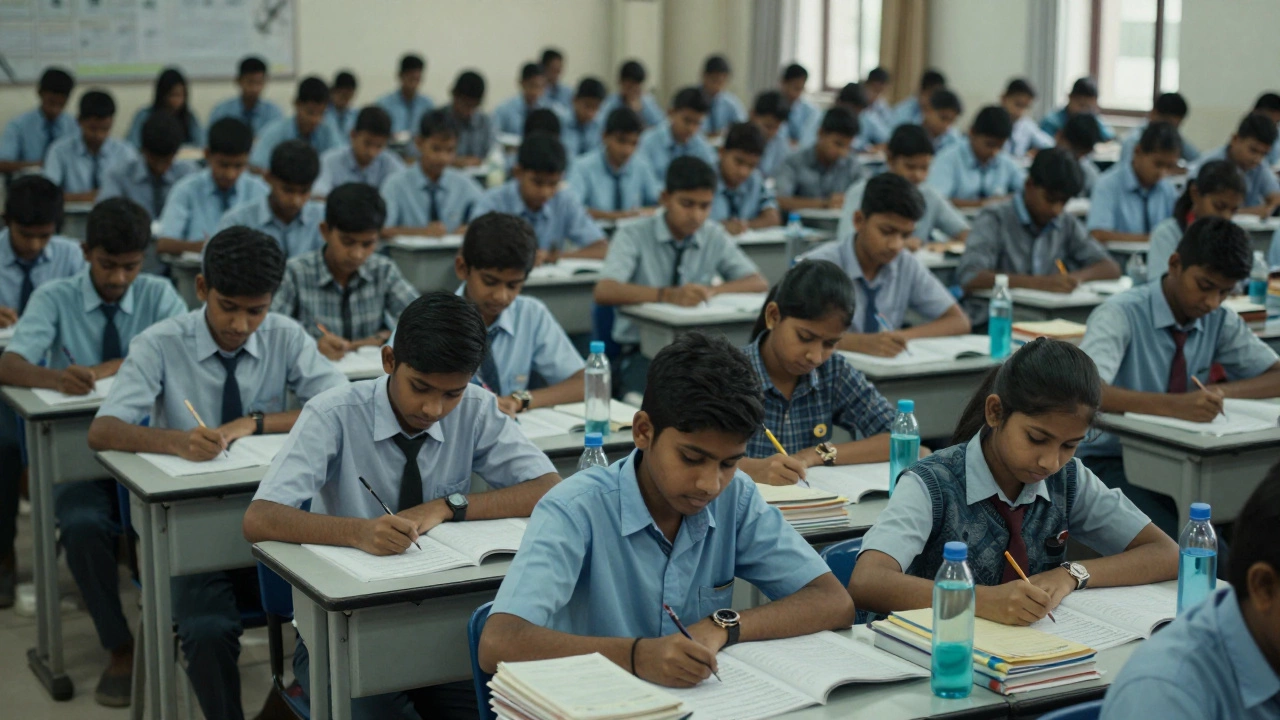
Every year, the number IIT JEE candidates is a topic that sparks intense debate among students, parents, and educators in India. If you are looking for a single number, here is the reality: roughly 10 to 12 lakh (1 million to 1.2 million) students register for JEE Main annually. However, the actual number of students who sit for the exam is significantly lower, usually around 8 to 9 lakh. This massive pool of aspirants competes for approximately 17,000 to 18,000 seats across all Indian Institutes of Technology (IITs). That translates to an acceptance rate of less than 2%. Understanding these numbers is not just about trivia; it is about understanding the battlefield before you step onto it.
The Two-Stage Filter: JEE Main vs. JEE Advanced
To understand the statistics, you first need to separate the two distinct exams. The Joint Entrance Examination (JEE) is not a single test but a two-stage process managed by different bodies. The first stage is JEE Main, conducted by the National Testing Agency (NTA). The second stage is JEE Advanced, conducted by one of the seven zonal IITs on a rotating basis.
JEE Main acts as the primary filter. It is open to anyone who meets the basic eligibility criteria-typically having passed Class 12 or appearing in their final year with Physics, Chemistry, and Mathematics (PCM). Because the registration fee is relatively low and the stakes are high, many students register even if they are unsure about their preparation level. This leads to a high registration count but a lower attendance rate.
| Metric | JEE Main | JEE Advanced |
|---|---|---|
| Conducting Body | National Testing Agency (NTA) | Zonal IITs (Rotating) |
| Annual Registrations | ~10-12 Lakh | ~250,000 (Qualified from Main) |
| Actual Attendees | ~8-9 Lakh | ~200,000 |
| Total Seats Available | ~24,000 (for NITs/IIITs/GFTIs) | ~17,000 (across all IITs) |
| Acceptance Rate | ~2-3% (for top colleges) | ~8-10% (of those who appear) |
JEE Advanced is where the real crunch happens. Only the top 2.5 lakh rankers from JEE Main are eligible to take JEE Advanced. Of those, only about 2 lakh actually show up. From this group, only 17,000 students get into an IIT. The rest go to National Institutes of Technology (NITs), Indian Institutes of Information Technology (IIITs), or other state engineering colleges based on their JEE Main score.
Why Do So Many Students Register?
You might wonder why the number of applicants stays so high despite the brutal competition. There are three main drivers behind this surge.
1. The Prestige Factor: An IIT degree carries immense social and professional weight in India. It is often seen as a ticket to global opportunities, high-paying jobs, and a respected career. This perception drives students from every corner of the country to attempt the exam, regardless of their academic background.
2. Multiple Attempts: The rules allow students to take JEE Main twice a year (usually in January and April). More importantly, you can attempt the exam for up to three consecutive years after passing Class 12. This means the candidate pool includes fresh graduates, repeaters, and students who took a gap year. In recent years, the percentage of repeaters has increased, adding depth and experience to the competition.
3. Broad Eligibility: Unlike some specialized exams, JEE Main does not have strict age limits or maximum marks criteria in Class 12 (though there are minimum percentage requirements for reserved categories). This openness allows a wider demographic to participate, including students from rural areas and non-metro cities who see JEE as a way to change their trajectory.
The Seat Distribution Reality
Knowing how many students apply is useless if you don't know how many seats are available. The total number of seats in IITs has grown over the last decade, but it still lags far behind the number of applicants. As of 2025-2026, there are 23 IITs across India. Together, they offer approximately 17,000 to 18,000 undergraduate seats.
However, not all seats are filled through JEE Advanced alone. The seat allocation is complex:
- Home State Quota: Each IIT reserves 40% of its seats for students from its home state. For example, IIT Bombay reserves 40% for Maharashtra students. This affects competition levels depending on your domicile.
- Category Reservations: A significant portion of seats is reserved for Scheduled Castes (SC), Scheduled Tribes (ST), Other Backward Classes (OBC-NCL), and Persons with Disabilities (PwD). For General category students, the effective pool of unreserved seats is much smaller, making the competition fiercer.
- Direct Admissions: Some seats are filled through direct admissions for children of faculty members or staff, though this is a small fraction.
If you are a General category student aiming for a top-tier branch like Computer Science at IIT Delhi or IIT Bombay, you are competing for fewer than 100 seats against thousands of qualified candidates. This context changes how you should view your preparation strategy.

Trends in Applicant Numbers Over Time
The number of JEE aspirants has been steadily increasing. Ten years ago, the registration count was around 6-7 lakh. Today, it has crossed the 10 lakh mark. This growth is driven by better access to coaching materials online, increased awareness in tier-2 and tier-3 cities, and the expansion of digital learning platforms.
Interestingly, while registrations are up, the quality of competition has also improved. With more students accessing high-quality resources, the average percentile required to secure a seat in a good college has risen. A rank that would have gotten you into IIT Kanpur five years ago might now only get you into a mid-tier NIT. This inflation of ranks means that simply "trying" is no longer enough; strategic preparation is essential.
What Does This Mean for Your Strategy?
Understanding the scale of IIT JEE helps you build a realistic mindset. Here is how you should adjust your approach based on these numbers:
- Focus on Percentile, Not Just Marks: Since the exam is normalized across multiple shifts, your raw score matters less than your percentile. Aim for a consistent 99+ percentile in mock tests to stay in the safe zone for JEE Advanced qualification.
- Leverage Home State Quotas: If you are from a state with a strong IIT presence (like Maharashtra, Tamil Nadu, or West Bengal), check the home state quota benefits. You might need a slightly higher rank to get into your local IIT compared to others, but you have a dedicated pool of seats.
- Plan for Repeats: Given that many top rankers are repeaters, do not panic if you don't crack it in your first attempt. Use the gap year wisely to analyze your weak areas. Many successful IITians took two or three attempts.
- Keep Backup Options Open: With only 17,000 IIT seats, consider NITs and IIITs as viable alternatives. Many NITs offer placements comparable to mid-tier IITs. Don't put all your eggs in one basket.

Common Misconceptions About JEE Statistics
There are several myths circulating about the number of students and seats. Let's clear them up.
Myth 1: Everyone who registers takes the exam. Fact: No. Typically, 15-20% of registered students do not appear for the exam due to lack of preparation, personal reasons, or changing goals. This means the actual competition is smaller than the registration numbers suggest.
Myth 2: The number of seats is fixed. Fact: The number of seats fluctuates slightly each year based on government approvals and infrastructure development. New IITs are occasionally established, and existing ones expand their capacity. Always check the latest official brochure for current year data.
Myth 3: Only urban students compete. Fact: While metro cities produce a large number of candidates, a growing proportion of qualifiers come from rural and semi-urban areas. Government initiatives and online coaching have democratized access to quality education, leveling the playing field somewhat.
Final Thoughts on Navigating the Competition
The sheer volume of students taking IIT JEE every year can be intimidating, but it should not be discouraging. Remember that millions of students start the journey, but only a fraction complete it with focus and consistency. Your goal is not to beat everyone; it is to beat your own previous performance. By understanding the statistics, you can set realistic targets, choose the right study materials, and maintain a balanced perspective throughout your preparation. The path to an IIT is tough, but with the right strategy, it is entirely achievable.
How many students qualify for JEE Advanced from JEE Main?
Approximately 2.5 lakh students qualify for JEE Advanced each year. These are the top 2.5 lakh rankers from JEE Main. However, only about 2 lakh of them actually appear for the JEE Advanced exam.
What is the acceptance rate for IITs?
The overall acceptance rate for IITs is less than 2% when considering all JEE Main registrants. Among those who qualify for and appear in JEE Advanced, the acceptance rate is around 8-10%, given that there are ~17,000 seats for ~200,000 attendees.
Can I take JEE more than once?
Yes, you can attempt JEE Main and JEE Advanced for up to three consecutive years after passing your Class 12 board exams. This allows students to improve their scores with additional preparation time.
How many seats are available in IITs?
As of 2025-2026, there are approximately 17,000 to 18,000 undergraduate seats across all 23 IITs in India. This number can vary slightly each year based on government approvals and infrastructure changes.
Does my state affect my chances of getting into an IIT?
Yes, each IIT reserves 40% of its seats for students from its home state. For example, IIT Madras reserves 40% for Tamil Nadu students. This can make it easier or harder to get into specific IITs depending on your domicile status.
What is the difference between JEE Main and JEE Advanced?
JEE Main is the first stage exam conducted by NTA, used for admission to NITs, IIITs, and other central institutes. JEE Advanced is the second stage, conducted by IITs, and is mandatory for admission to any IIT. Only the top 2.5 lakh JEE Main rankers can take JEE Advanced.