
Start an eLearning platform in 2026 with this step-by-step guide. Learn to define your niche, choose the right tools, create courses, set up payments, and market effectively. Avoid common pitfalls and launch successfully with real-world examples.
LMS: What It Is and How It Powers Online Learning Today
When you take a course online, whether it’s learning English, coding, or preparing for a government exam, there’s likely a system behind it called a LMS, a Learning Management System is a software platform used to deliver, track, and manage educational content and training programs. Also known as an eLearning platform, it’s the backbone of everything from free YouTube-based courses to university degrees delivered remotely. You don’t always see it, but it’s there—handling your assignments, tracking your progress, sending reminders, and even grading quizzes. It’s not just a website with videos. It’s a full system designed to make learning structured, measurable, and repeatable.
Think of an LMS as the classroom digital twin. It replaces the whiteboard with interactive modules, the textbook with downloadable PDFs, and the attendance sheet with automated login logs. Platforms like Moodle, Google Classroom, and even custom-built systems used by coaching centers for Kerala PSC prep all run on this same idea. The key difference between a simple website and a true LMS is control: it lets teachers assign tasks, students submit work, and admins see who’s falling behind—all in one place. And it’s not just for students. Companies use LMS tools to train employees, government agencies use them to certify workers, and even military branches use them to teach technical skills remotely.
What makes LMS tools so powerful is how they connect to real learning outcomes. If you’re trying to learn coding in 90 days, an LMS might give you daily exercises, track how long you spend on each lesson, and lock the next module until you pass a quiz. If you’re studying for NEET or JEE, your coaching institute’s LMS could be pushing you daily practice tests, analyzing your weak topics, and suggesting revision paths. It’s not magic—it’s data. And that data turns guesswork into strategy. The best LMS doesn’t just host content; it adapts to how you learn. Some even use AI to suggest videos based on your mistakes, or flag when you’ve been inactive for too long.
But here’s the catch—not all online courses use a real LMS. Many so-called "online courses" are just a bunch of videos on YouTube or a PDF bundle. A true LMS gives you structure, feedback, and accountability. That’s why platforms like Italki or Preply, which connect you with live tutors, aren’t LMS tools—they’re marketplaces. The LMS comes in when those tutors assign homework, track your progress, and store your speaking recordings for review. The same goes for federal job prep: if you’re using a system that tracks your application progress, sends you reminders about resume updates, and gives you mock interviews with scoring, that’s an LMS at work.
You don’t need to be a tech expert to use one. Most LMS interfaces are simple: log in, click a lesson, answer questions, move on. But understanding how they work helps you get more out of them. If you’re serious about learning a new skill—whether it’s speaking English fluently, switching to a tech career, or clearing the Kerala PSC exam—you’re already inside an LMS ecosystem. The question isn’t whether you’re using one. It’s whether you’re using it well.
Below, you’ll find real guides on how online learning works, what platforms actually deliver results, and how to pick the right system for your goals—whether you’re a beginner or someone juggling a full-time job while studying. No fluff. Just what works.
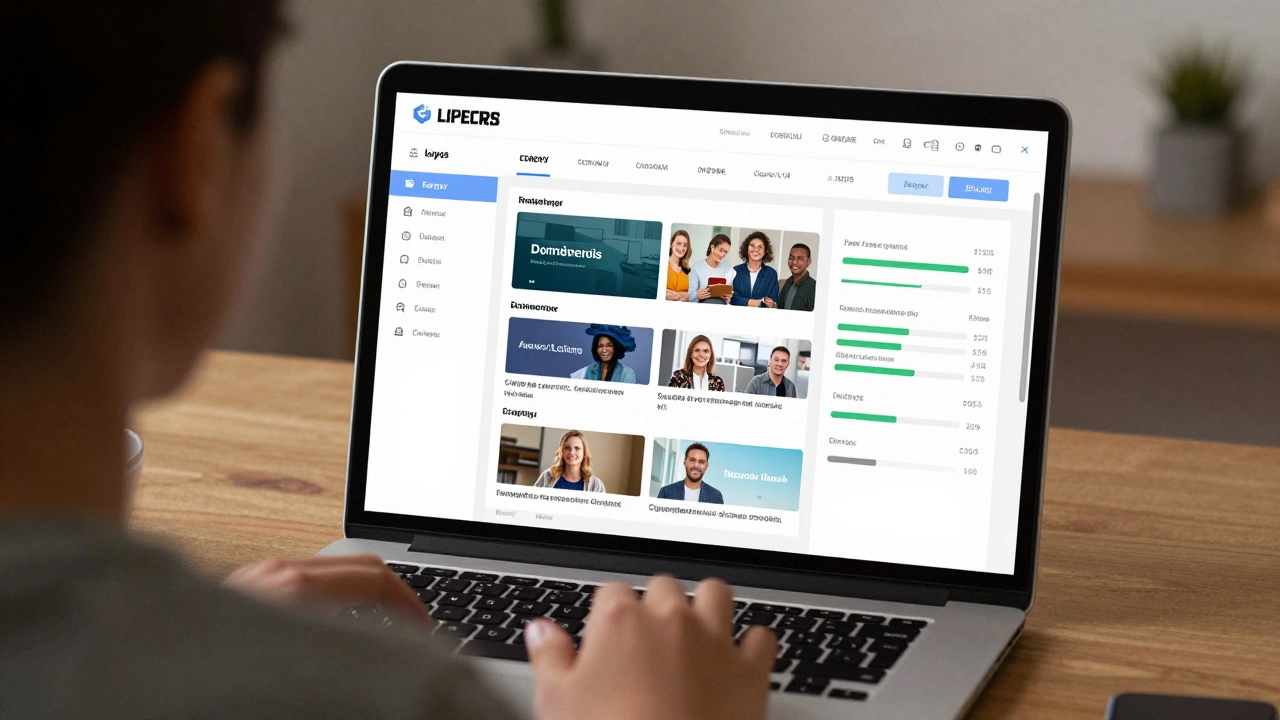
LMS stands for Learning Management System-a platform used to deliver, track, and manage online courses. Learn how it works, who uses it, and what to look for when choosing one.