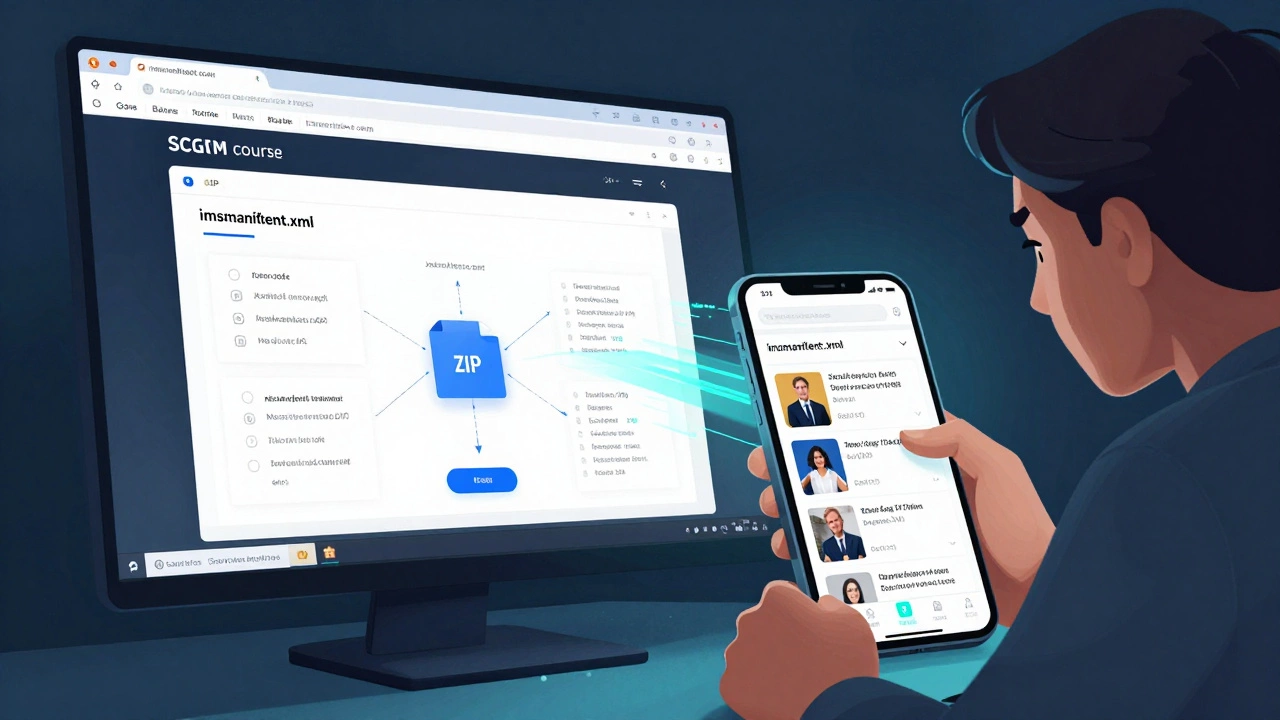
SCORM is the standard that lets online courses work across different learning platforms. Learn what it means, how it tracks progress, and why it still matters in 2025.
Learning Management System: What It Is and How It Powers Modern Education
When you take an online course, whether it’s for Kerala PSC prep or a coding bootcamp, you’re probably using a learning management system, a software platform that delivers, tracks, and manages educational content and learner progress. Also known as an LMS, it’s the invisible engine behind most digital learning today. It’s not just a place to watch videos or download PDFs—it’s what keeps your progress saved, your quizzes graded, and your deadlines tracked, all in one spot.
Older systems relied on SCORM, a decades-old standard for packaging e-learning content, but they were rigid. They couldn’t track if you practiced coding outside the course or watched a tutorial on YouTube. Today, modern alternatives like xAPI, a flexible standard that records learning from any source—apps, simulations, even real-world tasks, and CMI5, a newer standard built to work with xAPI and modern platforms are taking over. These let your learning system understand not just that you clicked ‘complete,’ but that you actually solved a problem, joined a discussion, or failed a quiz three times before getting it right.
Why does this matter to you? Because the best study tools aren’t just about content—they’re about how that content adapts to you. If you’re preparing for competitive exams like Kerala PSC, your learning system should remember which topics you struggle with, suggest practice tests based on your weak spots, and track your improvement over weeks—not just mark you as ‘done.’ That’s what modern LMS platforms do. And that’s why the posts below cover everything from SCORM alternatives to how real learners use digital tools to crack tough exams. You’ll find guides on choosing the right course platform, understanding what makes an e-learning tool actually useful, and why the old ways of studying online are falling behind. No fluff. Just what works.
LMS stands for Learning Management System-a platform used to deliver, track, and manage online courses. Learn how it works, who uses it, and what to look for when choosing one.

Explore how distance learning operates, from technology and LMS basics to synchronous vs. asynchronous formats, assessments, challenges, and future trends.