
Start an eLearning platform in 2026 with this step-by-step guide. Learn to define your niche, choose the right tools, create courses, set up payments, and market effectively. Avoid common pitfalls and launch successfully with real-world examples.
Online Education: What Works, What Doesn't, and How to Make It Stick
When we talk about online education, a method of learning delivered through digital platforms without needing to be physically present in a classroom. Also known as e-learning, it has become the default for millions trying to upskill, switch careers, or pass competitive exams like Kerala PSC. But not all online learning is created equal. Some people finish a course and walk away with real skills. Others sit through hours of videos and remember nothing. Why? It’s not about the platform. It’s about how you use it.
Digital learning, the use of technology to deliver educational content works best when it’s tied to action. Think about it: if you’re learning to code, watching a tutorial isn’t enough—you need to build something. If you’re learning English, memorizing grammar rules won’t make you speak. You need to talk. The posts here reflect that truth. You’ll find guides on free coding classes, how to learn programming without spending money, how to actually speak English by training your brain, and why some people crush their exams while others burn out. These aren’t theory pieces. They’re battle-tested tips from people who’ve been there.
What’s missing from most online courses? Structure. Accountability. Real feedback. That’s why the best learners don’t just sign up—they build routines. They track progress. They use free tools like practice tests, flashcards, and study groups. You’ll see this theme repeat across the posts: online education isn’t about access. It’s about engagement. Whether you’re trying to crack NEET, land a federal job, or switch to tech, the tools are out there. But the difference between success and frustration comes down to one thing: consistency.
And yes, age doesn’t matter. The average coder is 38. People over 40 are getting MBAs. Felons are joining the military. You don’t need to be young, rich, or connected. You just need to show up. The posts below don’t promise magic. They give you the real steps—what to study, what to skip, how to avoid burnout, and how to make your time actually count.

Distance learning and classroom learning each have strengths. In 2025, the best choice depends on your schedule, learning style, and goals-not tradition or trends.

Explore how distance learning operates, from technology and LMS basics to synchronous vs. asynchronous formats, assessments, challenges, and future trends.
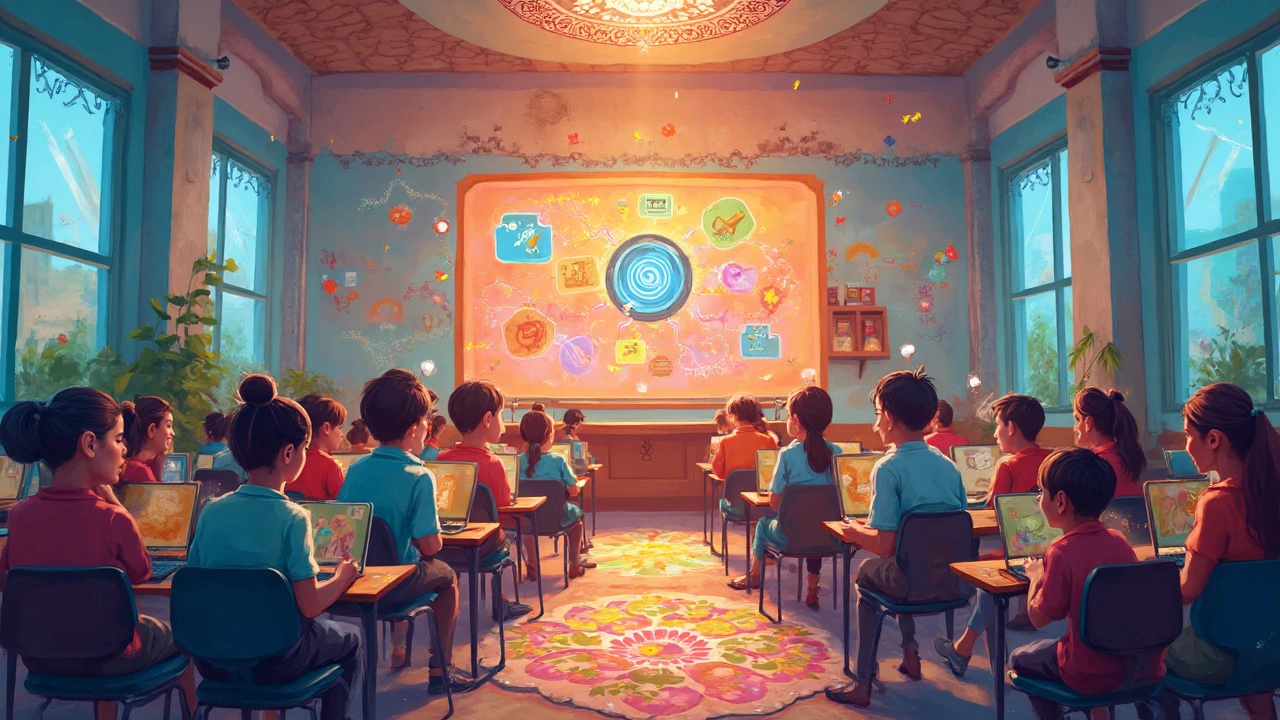
eLearning platforms have revolutionized how we acquire knowledge by offering flexible, scalable, and often interactive educational experiences. Whether you're pursuing a new skill, enhancing professional credentials, or just nurturing curiosity, these platforms accommodate diverse needs by providing access to a plethora of online courses. Understanding how these platforms function and their benefits can help you make informed decisions about your learning journey. This article delves into real-life eLearning examples, showcases features that make them effective, and offers tips to maximize your online learning experience.

E-learning has become a huge part of education, but it's not without its challenges. The biggest problem often lies in maintaining student engagement. Distractions are everywhere, communication can be tricky, and not everyone learns the same way online. This article explores these issues with insights and tips for improving the online learning experience.

An eLearning system is a digital platform designed to deliver educational courses and training online. With advances in technology, these systems have become essential tools for both educators and learners, offering various interactive features and accessibility. Discover the components, benefits, and types of eLearning systems to understand how they revolutionize the educational landscape. Perfect for individuals looking to expand their knowledge without physical constraints. Learn how eLearning systems can transform traditional learning experiences into flexible, engaging opportunities.

eLearning requires a strategic combination of technology, engaging content, and user-centric design to foster an effective learning experience. By incorporating interactive elements and accessible resources, educators can create dynamic digital classrooms that cater to diverse learning styles. Evaluating and selecting the right platform, along with continuous feedback, ensures adaptability and continuous improvement in providing quality education. Security and privacy concerns must also be addressed to protect both educators and learners.