
Learn how to start speaking English as a beginner with practical, daily habits-not grammar drills. Get real strategies for building confidence, listening effectively, and speaking without fear.
Learn English Speaking: Practical Ways to Speak Confidently and Fluently
When you try to learn English speaking, the process of developing the ability to communicate naturally in real-time conversations. Also known as speaking English fluently, it isn’t about memorizing grammar rules—it’s about training your brain to think and react in English without pausing to translate. Most people get stuck because they focus on perfect grammar instead of getting comfortable with making mistakes. The truth? No native speaker speaks perfectly all the time. What matters is clarity, confidence, and consistency.
There’s a big difference between understanding English and actually speaking it. You might read books, watch movies, or even ace grammar tests—but if you freeze when someone asks you a simple question, you’re missing the real goal. That’s where brain training for language, mental exercises designed to rewire how your brain processes and produces spoken English comes in. Studies show that daily speaking practice—even for just 10 minutes—changes your brain’s language pathways faster than passive learning. Think of it like learning to ride a bike: you don’t get better by reading about balance, you get better by falling and getting back up.
Another key player here is English speaking confidence, the mental state that lets you speak without fear of judgment or failure. It’s not something you’re born with. It’s built. Every time you speak even one sentence in English—even if it’s to yourself in the mirror—you’re stacking small wins. Over time, those wins turn into momentum. People who finally break through don’t suddenly become geniuses. They just kept showing up, kept trying, and stopped waiting for the perfect moment.
You’ll find posts here that cut through the noise. No fluff. No overpriced courses. Just real strategies: how to train your brain to respond faster, how to use everyday situations (like ordering coffee or watching a YouTube video) as speaking practice, and how to silence the inner critic that says, "I sound stupid." One post breaks down exactly how to use shadowing—repeating after native speakers—to build rhythm and pronunciation. Another shares how a teacher from Kerala went from silent in class to leading meetings in English in under a year, using only free apps and daily 15-minute drills.
This isn’t about becoming a native speaker overnight. It’s about becoming someone who can speak, be understood, and feel proud of it. Whether you’re preparing for a job interview, trying to connect with friends, or just tired of feeling stuck, the tools here work. You don’t need a degree. You don’t need to move abroad. You just need to start speaking—even badly—and keep going.

The best platform to speak English fluently isn't an app-it's real conversation with native speakers. Italki, Preply, and Tandem offer proven ways to practice speaking daily and build confidence without fear of mistakes.
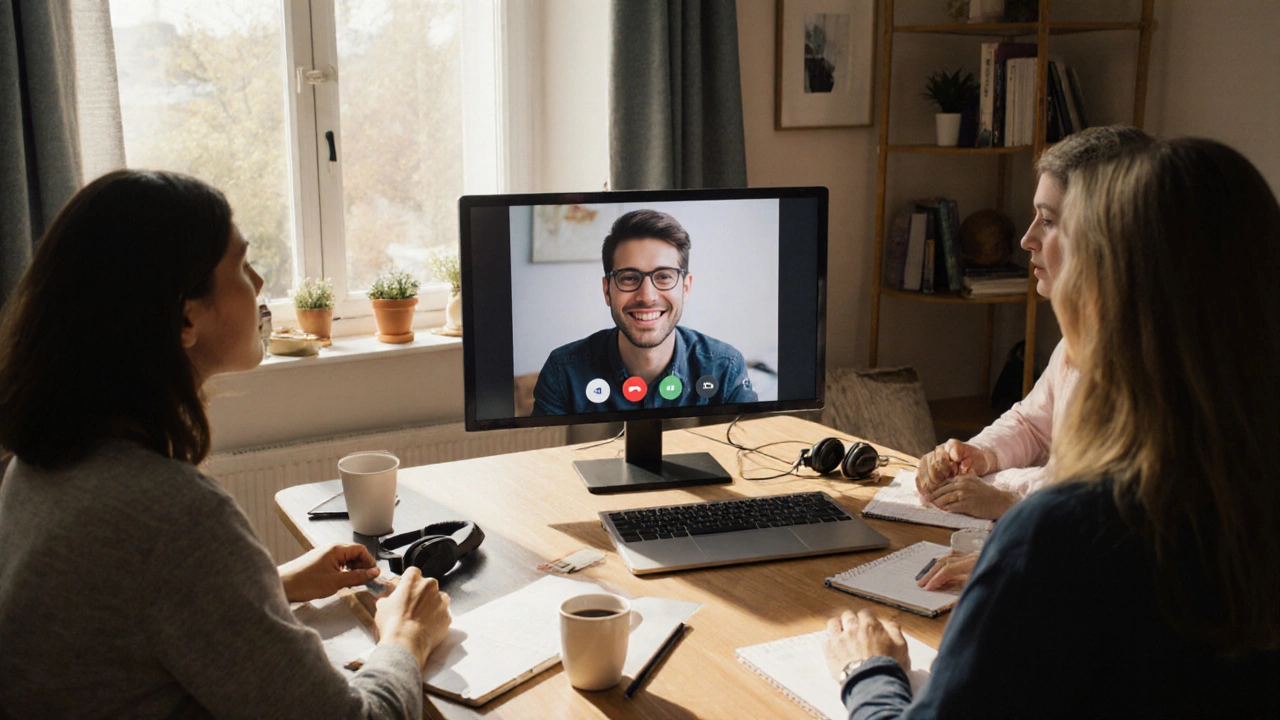
Discover the best English speaking courses in 2025 that actually help you talk confidently. Learn how real fluency comes from daily practice, not grammar drills.