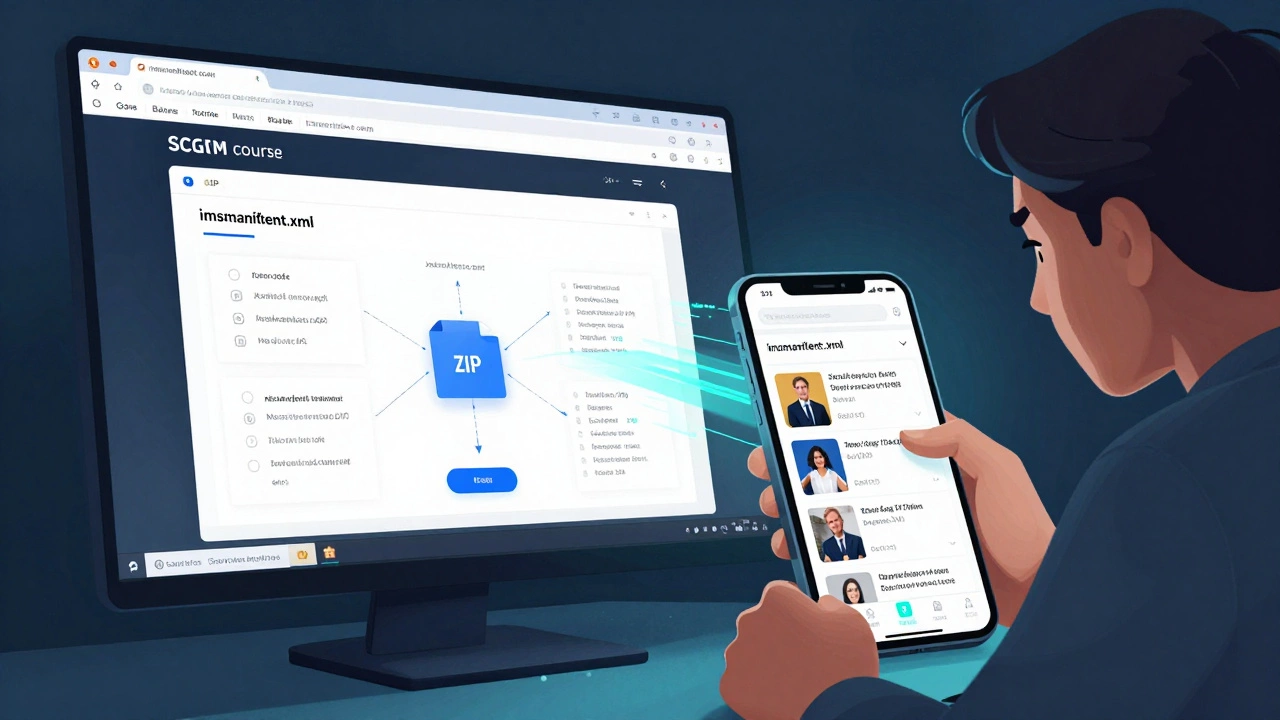
SCORM is the standard that lets online courses work across different learning platforms. Learn what it means, how it tracks progress, and why it still matters in 2025.
E-Learning: What Works, What Doesn’t, and How to Use It in 2025
When you think of e-learning, the use of digital platforms to deliver education outside traditional classrooms. Also known as online education, it is no longer just a backup option—it’s the main road for millions preparing for exams like Kerala PSC, NEET, and JEE. You don’t need to sit in a crowded coaching center to crack an exam anymore. All you need is a phone, a stable connection, and the right strategy.
E-learning isn’t one thing. It includes distance learning, structured study done remotely with scheduled materials and deadlines, free video tutorials, interactive quizzes, and even AI-driven practice tests. Some people use learning platforms, websites or apps designed to host courses, track progress, and deliver feedback like YouTube, Unacademy, or free coding sites. Others stick to PDFs and WhatsApp groups. The key isn’t the tool—it’s whether it fits your rhythm. If you’re working a part-time job, studying after kids go to bed, or living far from coaching hubs, e-learning gives you control. But it also demands discipline. No one is watching you turn on your camera. No one is checking if you actually watched the 2-hour lecture. You’re on your own.
That’s why some people thrive in e-learning and others burn out fast. The difference? It’s not about how many videos you watch. It’s about how often you test yourself, how you fix mistakes, and whether you build habits around study time. The best e-learners don’t wait for motivation. They schedule study like an appointment—with alarms, timers, and rewards. And they don’t rely on one source. They mix free YouTube lessons with past papers, flashcards, and peer discussions. You’ll find posts here that break down exactly how to pick the right course, why some platforms fade fast, and how to avoid wasting months on tools that promise the world but deliver nothing.
What you’ll see below isn’t a list of links. It’s a collection of real stories and data-driven guides. Someone figured out how to learn coding for free while working night shifts. Another person cracked a federal job exam using only e-learning resources. There’s a guide on why SCORM is dying and what’s replacing it in digital training. And yes—there’s a post on how to actually speak English fluently without paying for expensive courses. These aren’t theory pieces. They’re battle-tested tips from people who’ve been where you are.
Wondering if a Google certificate can actually get you a job? This article digs into what employers think, the real-world value of a Google certificate, and how these online courses stack up against a college degree. You'll find tips on how to use your certificate in your job search, which fields value it most, and where it might not be enough. Get clear, honest advice about whether investing in a Google certificate is the right move for your career.

Choosing the right online learning platform can transform how you gain knowledge. From user-friendly interfaces to comprehensive course offerings, finding the best e-learning platform depends on your personal learning style and goals. The market is flooded with options like Coursera, Udemy, and MasterClass, each offering unique strengths. Understanding the key features and differences helps you select a platform that caters to your needs, whether you're into career advancement or personal passion.

E-learning has become a huge part of education, but it's not without its challenges. The biggest problem often lies in maintaining student engagement. Distractions are everywhere, communication can be tricky, and not everyone learns the same way online. This article explores these issues with insights and tips for improving the online learning experience.
As Google integrates deeper into our daily lives, its role as an educational platform is under scrutiny. While originally not designed as a formal e-learning tool, it offers a multitude of services that support learning. From accessing a world of knowledge through its search engine to utilizing apps like Google Classroom, learners of all ages are harnessing its potential. As educators and students navigate this digital age, understanding Google's capacity as a learning resource becomes increasingly significant.