Coding Education Timeline Estimator
Your Estimated Timeline
Quick Glance: Timeframes by Learning Path
| Path | Typical Duration | Intensity | Outcome |
|---|---|---|---|
| Coding Bootcamp | 12 - 24 Weeks | Very High | Job-ready skills |
| Computer Science Degree | 3 - 4 Years | Moderate to High | Theoretical foundation |
| Self-Taught / Online | 6 Months - 2 Years | Variable | Portfolio-based skill |
| Specialized Certifications | 1 - 6 Months | Moderate | Specific tool mastery |
The Sprint: Immersive Coding Bootcamps
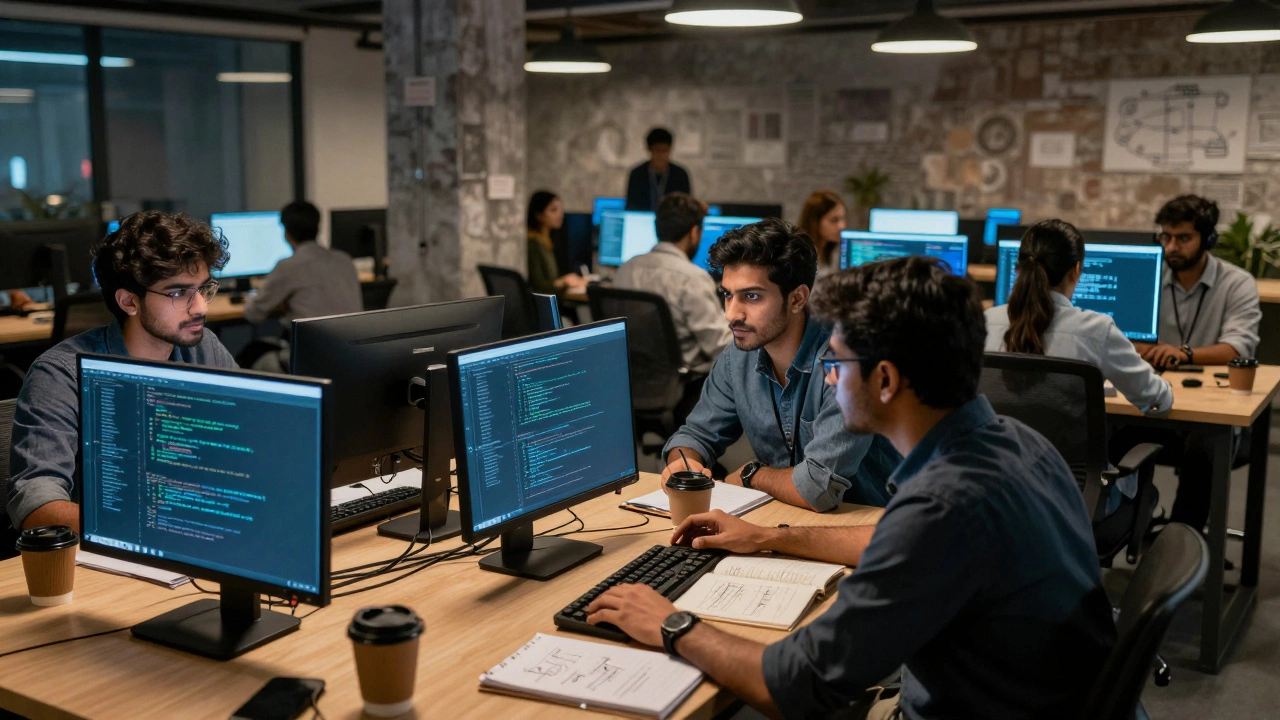
If you're looking for the fastest route into the industry, Coding Bootcamps are intensive, short-term training programs designed to teach high-demand programming skills quickly. These aren't typical schools; they are more like professional athlete training camps for your brain. Most bootcamps last between 12 and 24 weeks. Some are full-time, meaning you're in class or coding for 60 to 80 hours a week. Others offer part-time options that stretch the timeline to 6 or 9 months to accommodate people who are still working their day jobs. For example, a typical Full-Stack Web Development bootcamp might spend the first 4 weeks on HTML, CSS, and basic JavaScript, the next 8 weeks on a backend framework like Node.js, and the final 4 weeks building a capstone project for your portfolio. Why are they so short? Because they strip away the academic fluff. You won't spend a semester studying the history of computing or the physics of semiconductors. Instead, you focus entirely on the tools used in modern offices. The trade-off is the intensity. Many students experience "burnout" because the pace is relentless. If you miss a week of a 12-week program, you've effectively missed 8% of your entire education.The Marathon: Computer Science Degrees
On the other end of the spectrum is the traditional university route. A Computer Science Degree is an academic qualification that provides a deep theoretical understanding of computation, algorithms, and software engineering. This path takes significantly longer-usually 3 to 4 years for a Bachelor's degree. Why the massive difference in time? University education isn't just about teaching you a language like Python or Java; it's about teaching you how computers work. You'll spend months studying Data Structures and Algorithms, which are the mathematical foundations that allow code to run efficiently. You'll dive into operating systems, discrete mathematics, and computer architecture. This path is slower, but it provides a ceiling that is often higher than a bootcamp. While a bootcamp grad can build a functional app, a CS grad is more likely to understand how to optimize that app to handle ten million concurrent users without crashing. If you're aiming for roles at "Big Tech" companies like Google or Microsoft, they often prefer the depth of a degree, though this is changing as portfolios become more important than diplomas.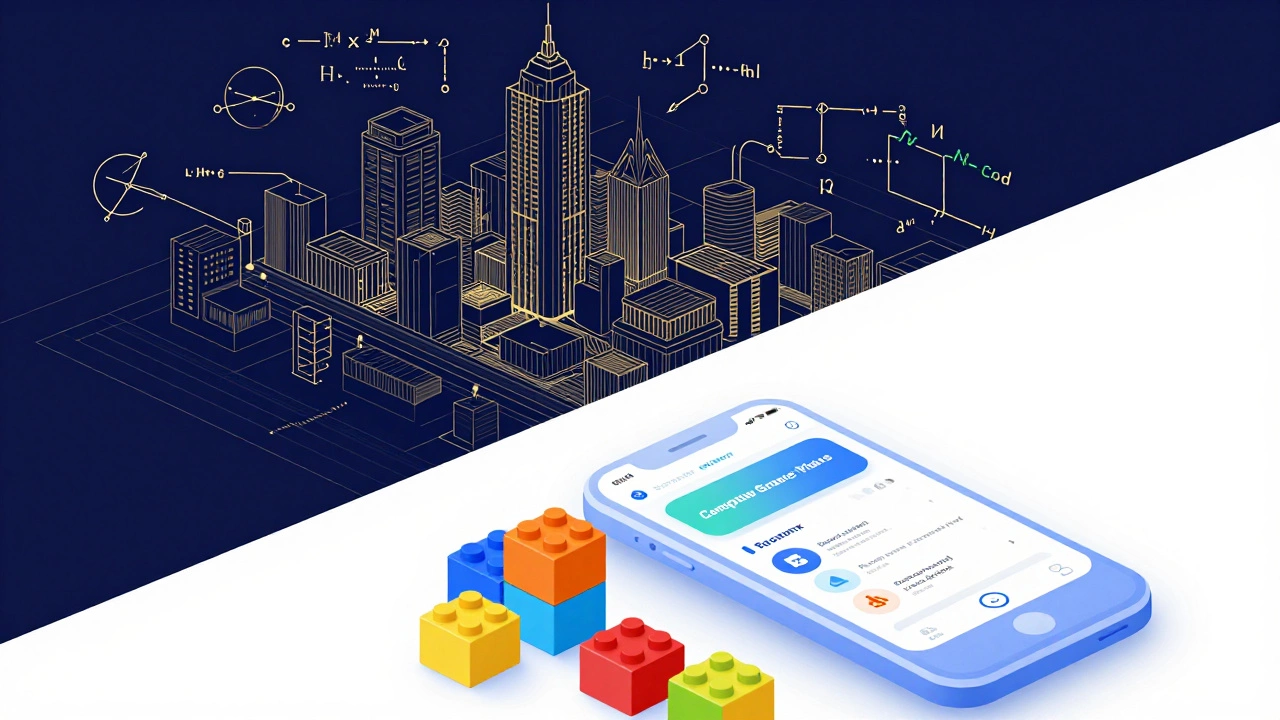
The Solo Journey: Self-Taught and Online Courses
Then there's the middle ground: the self-taught route. This is the most flexible but also the most dangerous path because there's no one to tell you when you're wasting time. Using ELearning Platforms like Udemy, Coursera, or freeCodeCamp, you can set your own pace. For a disciplined learner, reaching a "hirable" level usually takes between 6 months and 2 years. The timeline depends heavily on your "hours per day" metric. If you spend 2 hours a day after work, it might take you 18 months to cover the same ground that a bootcamp covers in 3 months. Common pitfalls in self-studying include the "Tutorial Hell" trap. This happens when you spend months watching videos and copying code, feeling like you're making progress, but you can't actually write a program from scratch. To break this, you need to transition from consuming content to building projects. A person who spends 6 months building three real-world apps is more employable than someone who spends 2 years finishing 20 different certificates without ever building something original.Factors That Change Your Timeline
Not everyone learns at the same speed. Your background plays a huge role in how long you'll be in school. If you already have a degree in mathematics, physics, or engineering, you'll likely breeze through the logic and algorithmic parts of coding. You might find a 12-week bootcamp feels slow, or conversely, you might be able to finish a self-taught curriculum in half the time. Your chosen specialty also matters. Learning to be a Frontend Developer (the parts of the website you see) generally has a shorter learning curve. You can get a handle on HTML, CSS, and basic JavaScript relatively quickly. However, if you want to specialize in Machine Learning or Artificial Intelligence, you're looking at a much longer timeline. These fields require a heavy dose of linear algebra and calculus, meaning you're essentially adding a math degree to your coding education. Another factor is the "Job Readiness Gap." There is a difference between finishing a course and being ready for a job. Most students find that after they "graduate" from their school, they need another 2 to 4 months of polishing their portfolio, networking, and interviewing to actually land a role. Don't count your days based on the graduation date; count them based on when you're confident enough to pass a technical interview.
Comparing the ROI: Is the Extra Time Worth It?
When choosing how long you want to spend in school, you have to weigh the time investment against the potential return. A bootcamp is a high-risk, high-reward sprint. You pay a significant amount of money (or take on a loan) for a few months of intensity, hoping for a quick pivot into a high-paying job. University is a long-term investment. It's more expensive and takes years of your life, but it offers a broader network and a credential that is recognized globally. It also gives you a more balanced social experience, which is missing from the isolated grind of a bootcamp or self-study. If you're 22, a degree is often the smartest move. If you're 35 with a decade of experience in another field, a 3-year degree is usually impractical, and a bootcamp or a targeted certification path makes much more sense.| Duration | Pros | Cons |
|---|---|---|
| Short (3-6 Months) | Fast entry to market, focused skills, lower tuition cost. | High stress, gaps in theoretical knowledge, risk of burnout. |
| Medium (6-24 Months) | Flexible pace, balance with work, deep portfolio build. | Requires extreme self-discipline, no formal credential. |
| Long (3-4 Years) | Comprehensive knowledge, degree prestige, networking. | Highest cost, slow entry to workforce, some outdated curriculum. |
Can I really learn to code in 3 months?
Yes, but with a caveat. You can learn the basics of a language and how to build a simple application in 3 months if you study full-time. However, becoming a "professional engineer" takes longer. Three months gets you the tools; the next year of working on real projects is what actually makes you a developer.
Do I need a degree to get hired in 2026?
Not necessarily. While many companies still value degrees, the industry has shifted toward "skills-based hiring." A strong portfolio on GitHub and a few successful freelance projects can often outweigh a degree, especially in web development and mobile app creation.
How many hours a week should I study?
For those in bootcamps, 60-80 hours is common. For self-taught learners, aiming for 15-20 hours of focused, distraction-free coding per week is a sustainable pace that prevents burnout while ensuring steady progress.
What is the fastest way to learn if I have zero experience?
Start with a focused online course in HTML, CSS, and JavaScript. Once you can build a basic page, join a structured bootcamp if you have the budget and the time to go full-time. This combines the low-risk exploration of self-study with the high-accountability environment of a school.
Does the language I choose affect how long it takes to learn?
Generally, yes. Languages like Python are designed to be readable and beginner-friendly, meaning you'll see results faster. Lower-level languages like C++ have a steeper learning curve and take longer to master because you have to manage things like memory manually.