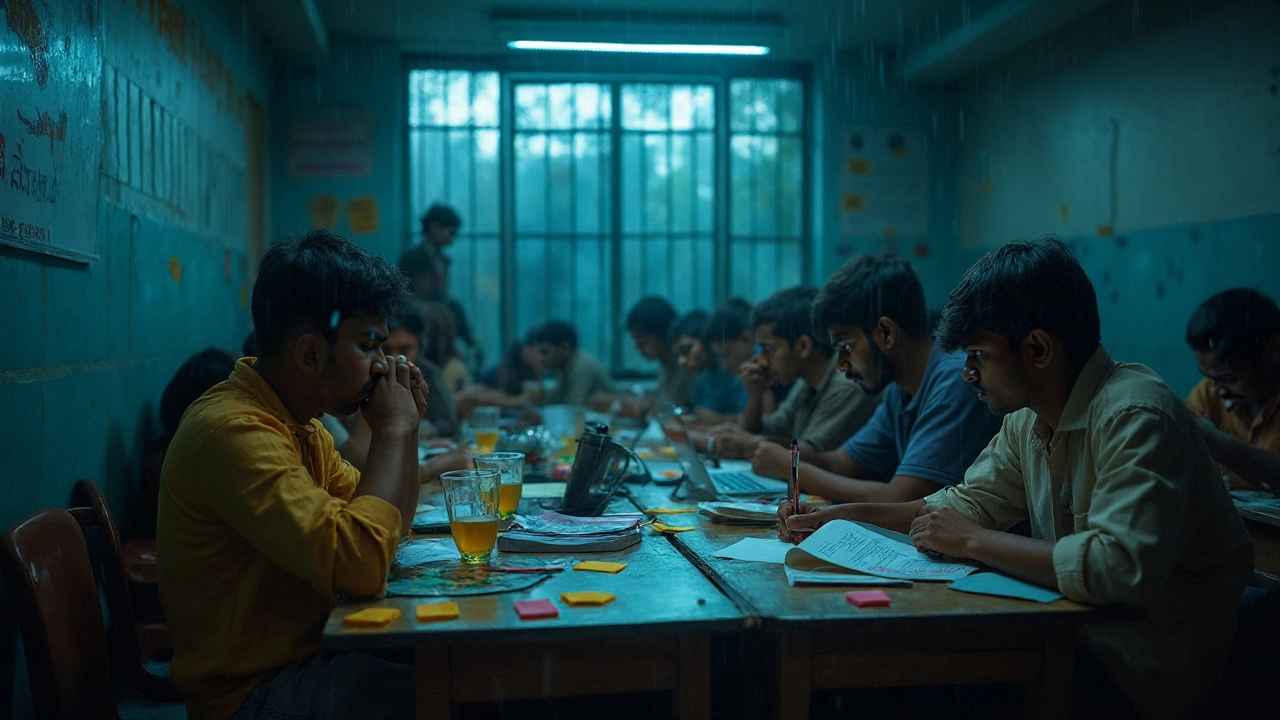
Which exam is the most stressful? Clear answer with data: Suneung vs Gaokao, JEE, UPSC, USMLE, CFA and others. Comparison table, coping tactics, FAQs, and next steps.
UPSC: What You Need to Know About India's Toughest Civil Service Exam
When you hear UPSC, the Union Public Service Commission, India’s constitutional body that conducts recruitment for top civil service positions like IAS, IPS, and IFS. Also known as Civil Services Examination, it’s not just a test—it’s a marathon that filters out over 99% of applicants every year. This isn’t another state-level exam. UPSC is the gateway to the highest levels of public service in India, and it demands more than memorization—it needs strategy, stamina, and a deep understanding of how the country works.
What makes UPSC different? It’s not just about knowing facts. It tests your ability to connect economics with history, current affairs with ethics, and geography with governance. The exam has three stages: Prelims (multiple choice), Mains (written essays), and the Personality Test (interview). Each stage eliminates thousands. Over 10 lakh people apply annually. Only around 800 get selected. That’s less than 0.1%. And the people who make it? They’re not geniuses. They’re consistent. They read newspapers daily. They write answers every week. They learn from their mistakes. They don’t wait for perfect conditions—they start with what they have.
Preparation isn’t just about books. It’s about understanding how the system works. You need to know how the Parliament functions, what the latest budget means for farmers, why a Supreme Court ruling matters for local governance, and how international treaties affect India’s trade. The questions don’t come from a textbook—they come from real life. That’s why the best aspirants don’t just study. They observe. They question. They write. They discuss. They track trends. And they don’t get distracted by flashy coaching ads or fake toppers’ stories.
There’s no magic formula. No single book will get you through. But there are proven patterns. History repeats itself in UPSC questions. Economics concepts reappear in different forms. Current events from six months ago often show up as mains questions. And the interview? It’s not about reciting answers. It’s about being honest, calm, and clear. One candidate told me she got selected because she admitted she didn’t know the answer to a question—then explained how she’d find out. That’s the mindset.
What you’ll find below are real guides from people who’ve been there. How to pick the right books. How to manage time when you’re working. How to handle failure without quitting. How to write answers that actually score. Whether you’re just starting or stuck at Prelims, there’s something here that matches your stage. No fluff. No hype. Just what works.