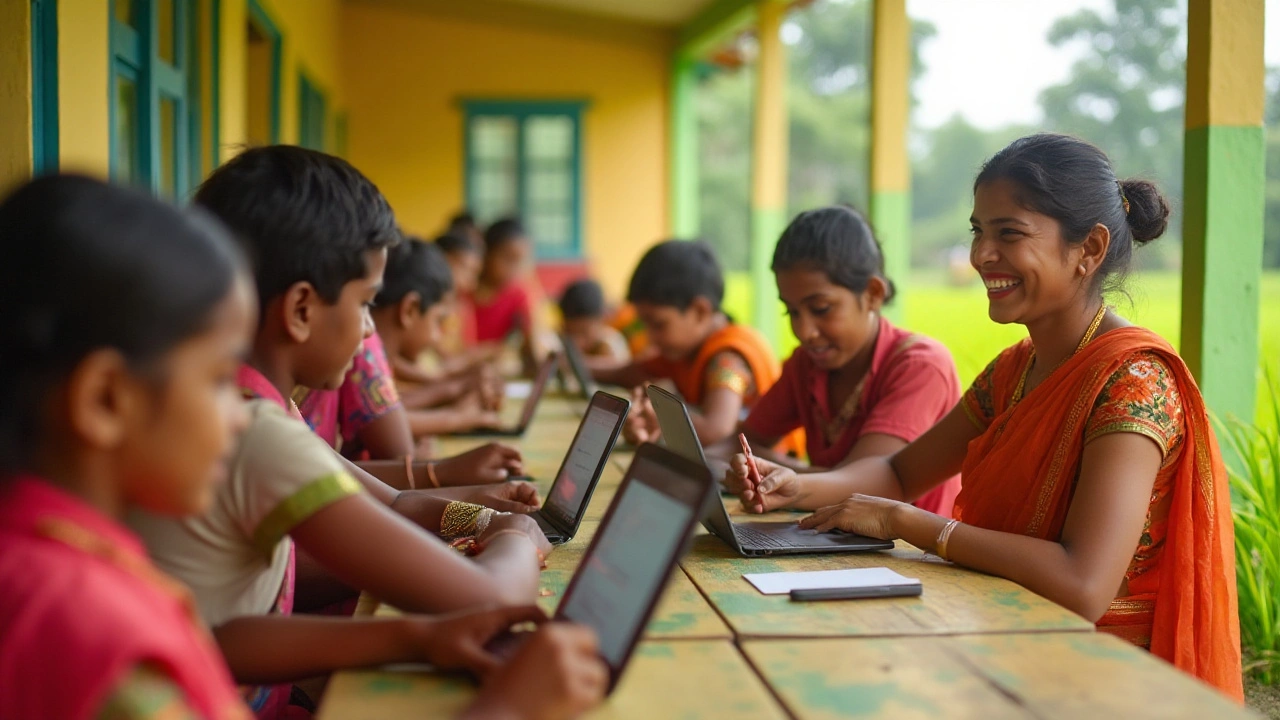
eLearning has transformed how education is accessed and delivered across the globe. Understanding the three P's of eLearning—Personalization, Participation, and Performance—can significantly enhance the learning experience. These elements are essential for engaging learners and maximizing their potential. This article will explore each aspect in-depth, providing insights and practical tips for educators and learners alike.
Pedagogy: What It Is and How It Shapes Learning in Real Classrooms
When we talk about pedagogy, the science and art of teaching. Also known as teaching methodology, it’s not about fancy lectures or rigid lesson plans—it’s about what actually helps people learn. Think of it as the hidden engine behind every good teacher. It’s why some classrooms feel alive while others feel like a chore. Pedagogy answers the question: How do people really pick up new ideas, skills, and habits?
It’s not just about delivering information. Good pedagogy considers how students think, what motivates them, and how memory works. For example, learning strategies, the specific techniques students use to absorb and retain knowledge like spaced repetition or active recall, are built on pedagogical research. Then there’s teaching methods, the practical approaches educators use to deliver content—lecture, discussion, project-based learning, flipped classrooms. Each one works better for different subjects, ages, and goals. And if you’re studying for competitive exams like Kerala PSC, understanding these differences isn’t just academic—it helps you study smarter. You’re not just memorizing facts; you’re learning how to learn.
What’s interesting is that pedagogy doesn’t care about tradition. A 50-year-old lecture hall method might still be used, but research shows it’s often the least effective. Modern pedagogy leans into engagement, feedback, and real-world application. That’s why courses that ask you to solve problems, teach others, or reflect on your own mistakes stick better than ones that just hand you notes. Even in online learning—like the courses discussed in posts about distance learning or coding bootcamps—the best ones follow strong pedagogical principles. They don’t just dump videos. They build structure, encourage interaction, and give you chances to fail safely and try again.
And here’s the thing: pedagogy isn’t just for teachers. If you’re preparing for exams, coaching others, or even teaching yourself, you’re using pedagogy every day. Choosing when to review a topic, deciding whether to watch a video or read a book, figuring out what to focus on next—those are all pedagogical decisions. The difference between someone who passes and someone who doesn’t often comes down to how well they understand how learning actually works.
Below, you’ll find real posts that touch on these ideas—from how people learn languages to how online education stacks up against traditional classrooms. These aren’t random articles. They’re pieces of the same puzzle: how we learn, how we teach, and what actually sticks. Whether you’re a student, a future teacher, or just someone trying to get better at learning, this collection gives you the tools to think beyond cramming and start learning right.