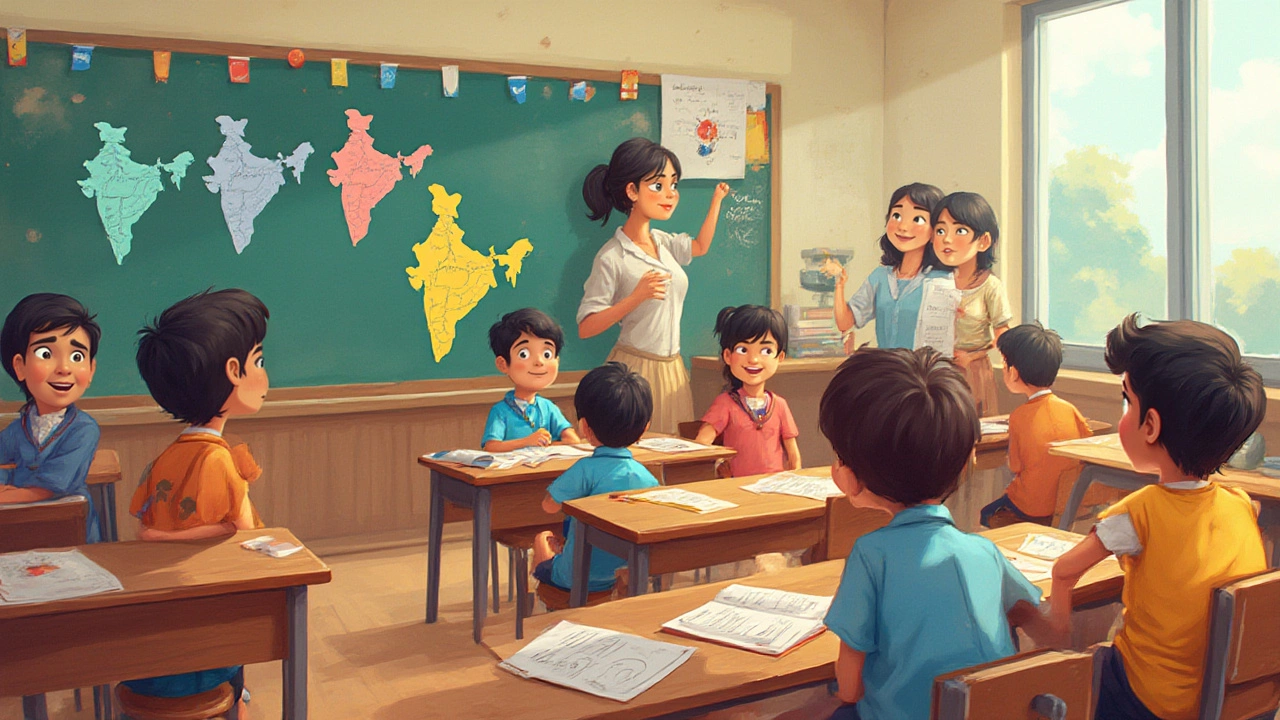
Curious if CBSE is just a Delhi board? Learn how this national board really works, its roots, and why students everywhere know about CBSE.
Indian School Board: CBSE, ICSE, State Boards Explained
When it comes to school education in India, the Indian school board, the governing body that sets curriculum, conducts exams, and certifies students in schools across the country. Also known as education board, it shapes how millions of students learn, prepare for exams, and move on to higher education. Not all boards are the same. The three big ones — CBSE, the Central Board of Secondary Education, which runs exams like AISSCE and is followed by most schools nationwide, including Kendriya Vidyalayas, ICSE, the Indian Certificate of Secondary Education, known for its detailed syllabus and emphasis on English and critical thinking, and state boards, regional education authorities like Kerala SSLC, Maharashtra SSC, or Tamil Nadu State Board that follow local language and curriculum priorities — each have their own rules, difficulty levels, and exam patterns. Your choice affects everything: how you study, what books you use, and even which coaching centers you might need later for competitive exams.
CBSE is the most common because it’s the default for schools linked to the central government and is preferred by students aiming for national-level exams like JEE or NEET. Its syllabus is streamlined, predictable, and heavily based on NCERT textbooks — which is why so many coaching institutes build their entire model around it. ICSE, on the other hand, pushes students to write longer answers, think critically, and handle more literature and science depth. That’s great for students who thrive on analysis, but it can feel overwhelming if you’re used to rote learning. State boards vary wildly — some are easier, some are tougher, and most focus on regional languages and local history. But here’s the catch: if you’re from a state board and want to apply to top colleges outside your state, you might need extra prep because many entrance exams are designed with CBSE patterns in mind.
What does this mean for you? If you’re a student, your board isn’t just a label — it’s your roadmap. If you’re a parent, it’s the foundation of your child’s academic future. If you’re preparing for competitive exams later, knowing which board you’re under helps you pick the right books, teachers, and study habits. The posts below cover real-world advice on how to handle board exams, what materials actually work, how to switch boards if needed, and why some students crush their exams while others struggle — even with the same syllabus. You’ll find guides on CBSE curriculum tips, how to use NCERT effectively, why ICSE students often outperform others in English, and how state board students can level up for national exams. No fluff. Just what you need to navigate the system smarter.