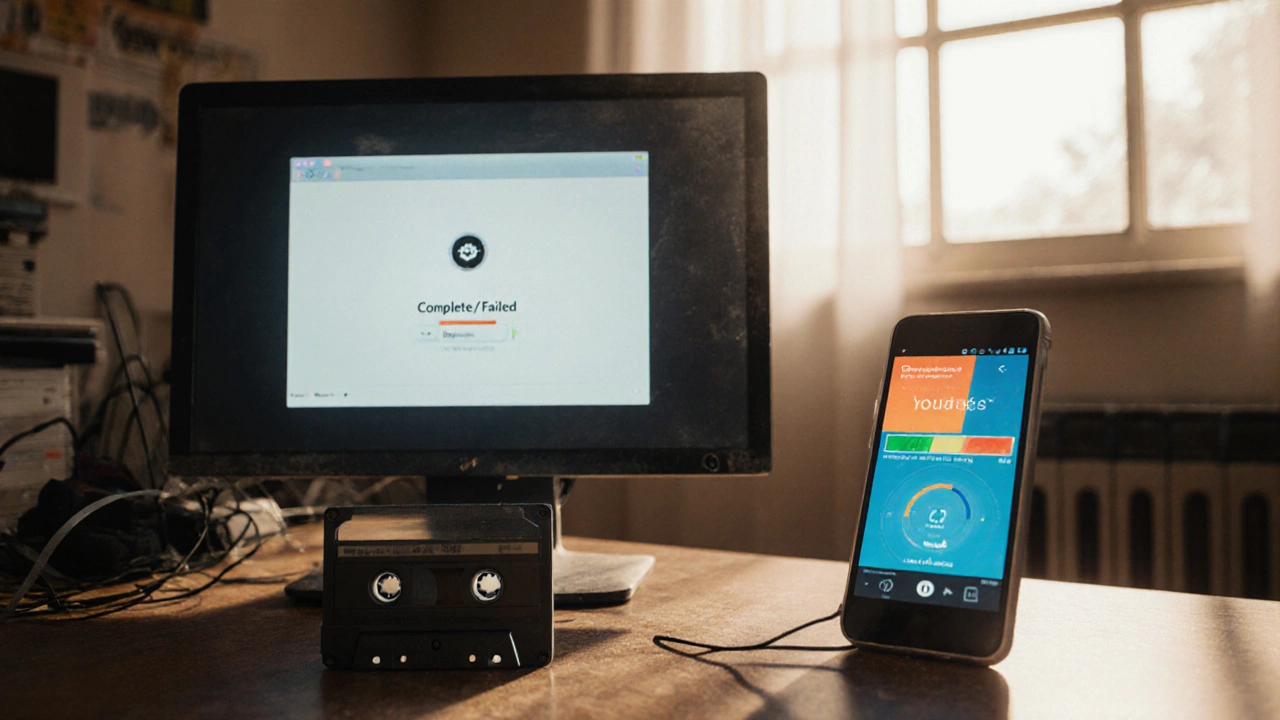
Explore why SCORM is fading and discover modern e‑learning standards like xAPI, CMI5, and LTI that are reshaping digital training in 2025.
e-Learning Standards: What They Are and Why They Matter for Online Learners
When you take an online course, whether it’s for coding, English, or government exam prep, you’re interacting with something invisible but critical: e-learning standards, a set of technical and instructional rules that make online education work smoothly across platforms. Also known as digital learning standards, these guidelines ensure your course loads fast, tracks your progress, and works whether you’re on a phone, tablet, or laptop. Without them, every online class would be a broken puzzle—some parts work, others don’t. You’d struggle to resume where you left off, your quiz scores might vanish, and videos might refuse to play unless you use a specific browser. That’s not just annoying—it’s a barrier to real learning.
e-Learning standards don’t just fix tech issues—they shape how content is built. For example, Learning Management Systems (platforms like Moodle, Google Classroom, or even Kerala PSC’s own study portal), LMS, rely on these standards to organize lessons, track completion, and deliver quizzes reliably. If a course follows SCORM or xAPI standards, your progress syncs across devices. If it doesn’t, you might have to restart from scratch every time you switch devices. That’s why some free coding courses you find online feel clunky, while others feel seamless. It’s not about the teacher—it’s about whether the course was built with these standards in mind.
These standards also affect accessibility. If a course meets WCAG guidelines, it works for people with vision or hearing impairments. That’s not optional—it’s ethical, and increasingly, legal. In India, as digital education grows, institutions using e-learning standards are the ones trusted by students and government bodies alike. Even if you’re not building courses, knowing these standards helps you pick better resources. A course that says it’s "online" but doesn’t let you download materials, skip ahead, or track your progress? It’s probably not built to modern standards. Look for courses that let you pause, rewind, and pick up where you left off. That’s a sign they follow the rules.
And here’s the thing: e-learning standards aren’t just for schools or universities. They’re behind every professional upskilling platform, every free coding tutorial, every English speaking course you’ve ever taken. If you’re preparing for Kerala PSC or any competitive exam using online materials, the best resources you’ll find are built on these foundations. They’re the reason you can study on your commute, finish a module on your lunch break, and still have your progress saved. The difference between a good online course and a great one? It’s not the teacher’s voice—it’s the invisible standards holding it all together.
Below, you’ll find real-world examples of how these standards show up in the courses people actually use—from free coding lessons to English fluency programs. You’ll see which ones work, which ones don’t, and why. No theory. No fluff. Just what matters when you’re trying to learn something important, on your own time, with limited resources.