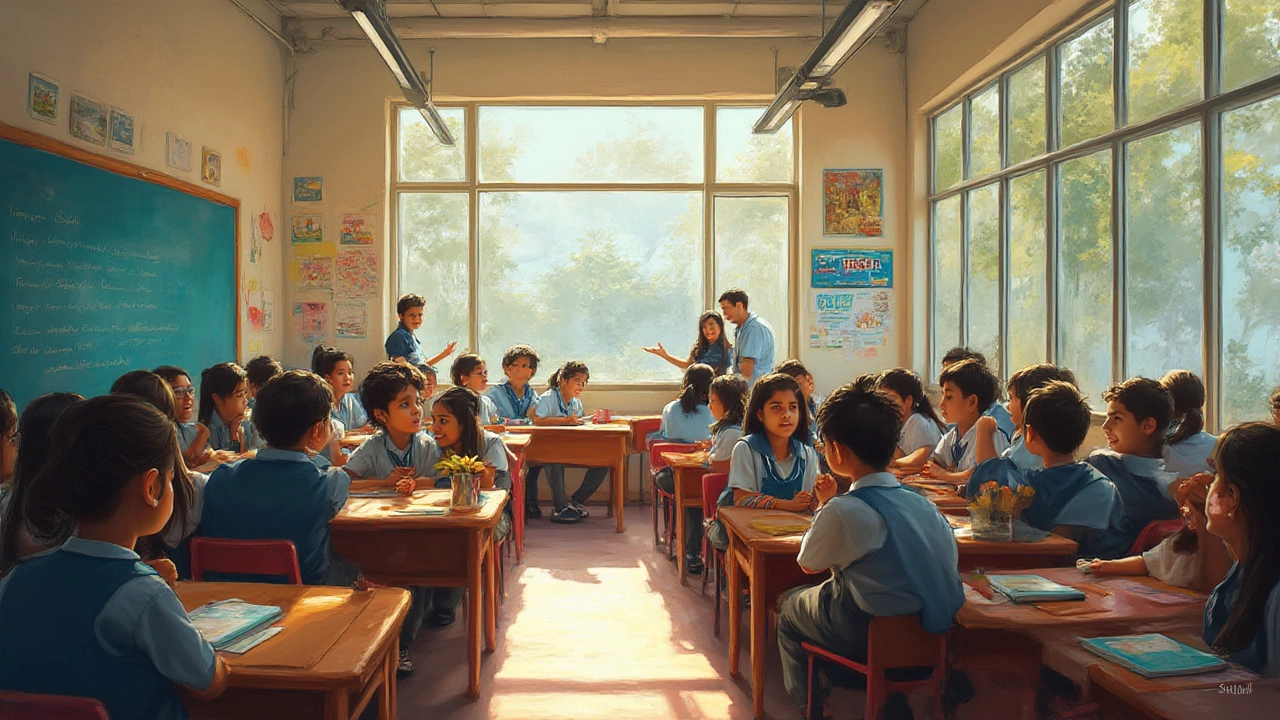
Wondering if Delhi Public School follows ICSE or CBSE? Get a detailed look into DPS curriculum, teaching style, and what it really means for students and parents.
CBSE Schools in India: What They Are and How They Work
When you hear CBSE schools, the Central Board of Secondary Education-affiliated institutions that follow a standardized national curriculum across India. Also known as Central Board of Secondary Education schools, they are the most widespread school system in the country, teaching over 20 million students annually. Unlike state boards that focus on regional languages and content, CBSE schools use English as the primary medium and design their syllabus around national standards set by the Ministry of Education. This makes them the go-to choice for families planning for competitive exams like JEE, NEET, or even studying abroad.
What makes CBSE curriculum, a structured, exam-focused educational framework designed for uniformity across India so popular? It’s simple: predictability. The syllabus doesn’t change drastically year to year, and the board exams follow clear patterns. Students who master NCERT textbooks—used by nearly every CBSE school—have a solid foundation for both school success and entrance tests. The curriculum leans heavily on science and math early on, which is why so many top engineering and medical aspirants come from CBSE backgrounds. It’s not about being easier—it’s about being aligned with what comes next.
And then there’s the CBSE board exams, the standardized Class 10 and Class 12 examinations that determine academic progression and college eligibility across India. These aren’t just tests—they’re milestones. A good score opens doors to top colleges, scholarships, and even government job eligibility later. The exams are held nationwide on the same dates, graded centrally, and results are released uniformly. This fairness is why parents trust CBSE, even if the workload feels heavy. Schools don’t just teach—they prepare students for this high-stakes system.
CBSE also handles CBSE affiliation, the official process through which private and public schools gain authorization to offer CBSE curriculum and conduct its exams. Not every school can call itself a CBSE school. To get approved, a school must meet infrastructure, teacher qualification, and administrative standards. That’s why you’ll find CBSE schools in big cities and small towns alike—they’re not just brands, they’re certified institutions. If you’re choosing a school for your child, checking their affiliation status isn’t optional—it’s critical.
You’ll find posts here that break down how CBSE schools actually operate, what their exams really test, and how to pick the right one. Some compare them to ICSE or state boards. Others show how coaching centers tailor their materials to CBSE patterns. You’ll also see how students use CBSE syllabus as a launchpad for bigger goals—like cracking JEE or studying abroad. This isn’t about memorizing facts. It’s about understanding the system so you can work smarter inside it.
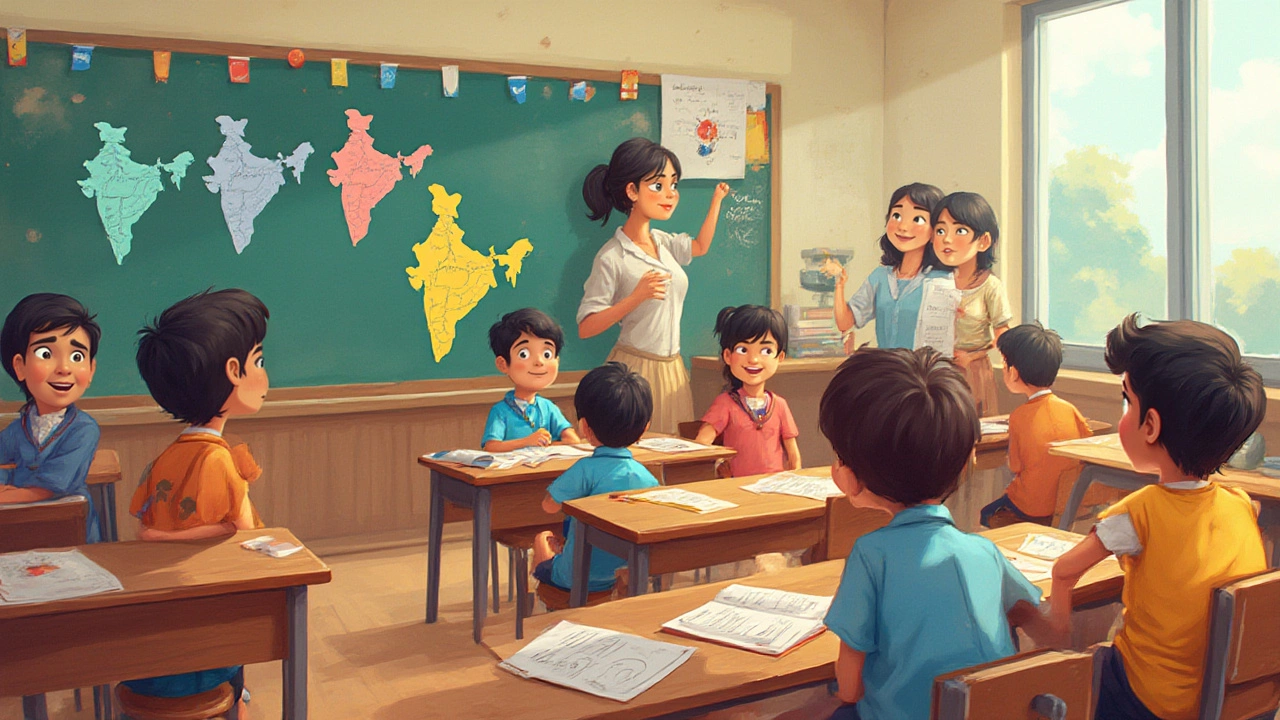
Curious if CBSE is just a Delhi board? Learn how this national board really works, its roots, and why students everywhere know about CBSE.

People often think of CBSE as a schooling system only found in India, but the reality is far more interesting. This article digs into where CBSE schools can actually be found, how the curriculum travels beyond India’s borders, and why some families choose CBSE outside India. Discover practical tips on how students can benefit from the CBSE syllabus worldwide and learn about the opportunities it opens up. Get past the usual confusion with easy examples and straight facts.
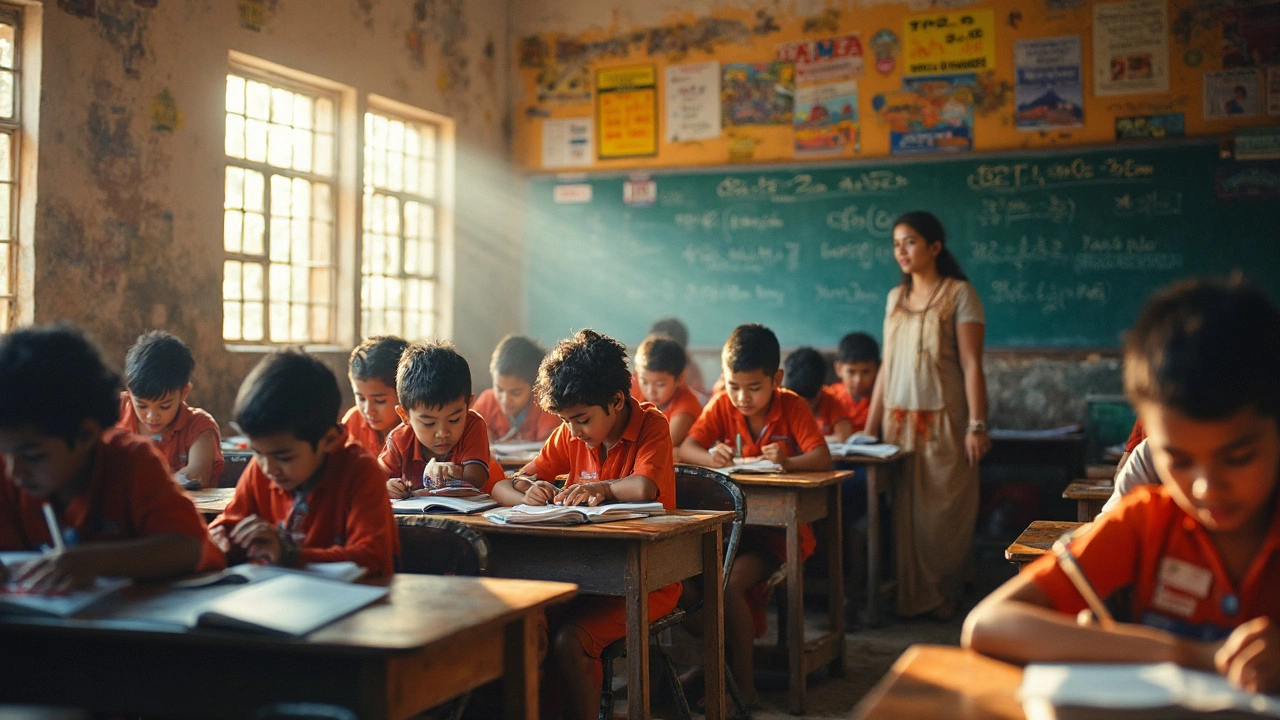
Is CBSE really as tough as people claim? This article digs into how the CBSE syllabus measures up against other hard-hitting school programs worldwide. You’ll find real comparisons, honest facts about study pressure, and what students actually go through. Discover why some call it tough, but also why it works for many. Don’t just look at textbook weight—see what sets CBSE apart.

India is home to many schools following the CBSE syllabus, acclaimed for their academic excellence and comprehensive education approach. These institutions are scattered across various cities, each offering unique features and benefits. Parents often prioritize schools known for high-quality faculty and modern facilities. Additionally, the diversity in extracurricular opportunities often plays a significant role in a school’s popularity. This article explores some of the most sought-after CBSE schools in India and why they stand out.
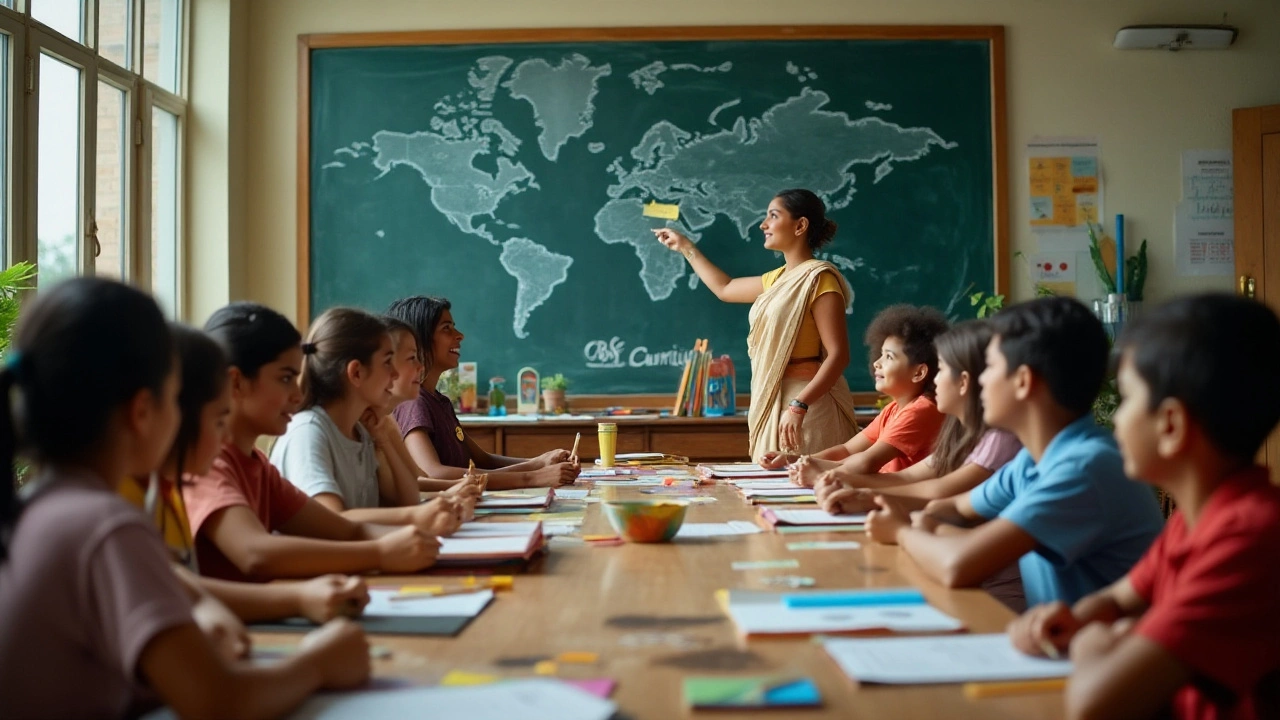
The Central Board of Secondary Education (CBSE) is a prominent educational framework in India, known for its comprehensive approach and rigorous standards. This article delves into how CBSE has extended its reach beyond Indian borders, being adopted by various schools worldwide. It explores the advantages of studying under this curriculum for students residing abroad and provides insights into how it integrates with international education systems. Additionally, tips for parents considering CBSE schools for their children outside India are discussed.