
Speaking Confidence Builder
Select each step below to explore practical techniques for overcoming speaking fear. Click "Try Now" to see specific exercises you can start immediately.
Why Do You Freeze Up?
Your brain treats potential social embarrassment as a physical threat. It triggers a fight-or-flight response that blocks quick access to vocabulary and grammar rules. This is biological, not personal failure.
Shadowing Technique
Listen to a podcast or YouTube video in English. Pause after every sentence and repeat it exactly, mimicking the tone and speed. Do this alone in your car or shower where no one is judging you.
Talk to Yourself
Narrate your day in English: "I am making tea now. The water is boiling." It sounds silly, but it connects your thoughts to English output without the pressure of an audience.
The 'Good Enough' Rule
Perfection is the enemy of fluency. Native speakers make grammatical errors all the time. If you say "I go to store yesterday" instead of "I went to the store yesterday," everyone still understands you.
Physical Calm Techniques
Your body affects your mind. Use these techniques right before you need to speak:
- Box Breathing: Inhale for 4 seconds, hold for 4, exhale for 4, hold for 4. Repeat three times.
- Power Posing: Stand with feet shoulder-width apart, hands on hips, chest open. Hold for two minutes.
- Vocal Warm-ups: Hum gently. Stretch your jaw. Say tongue twisters slowly.
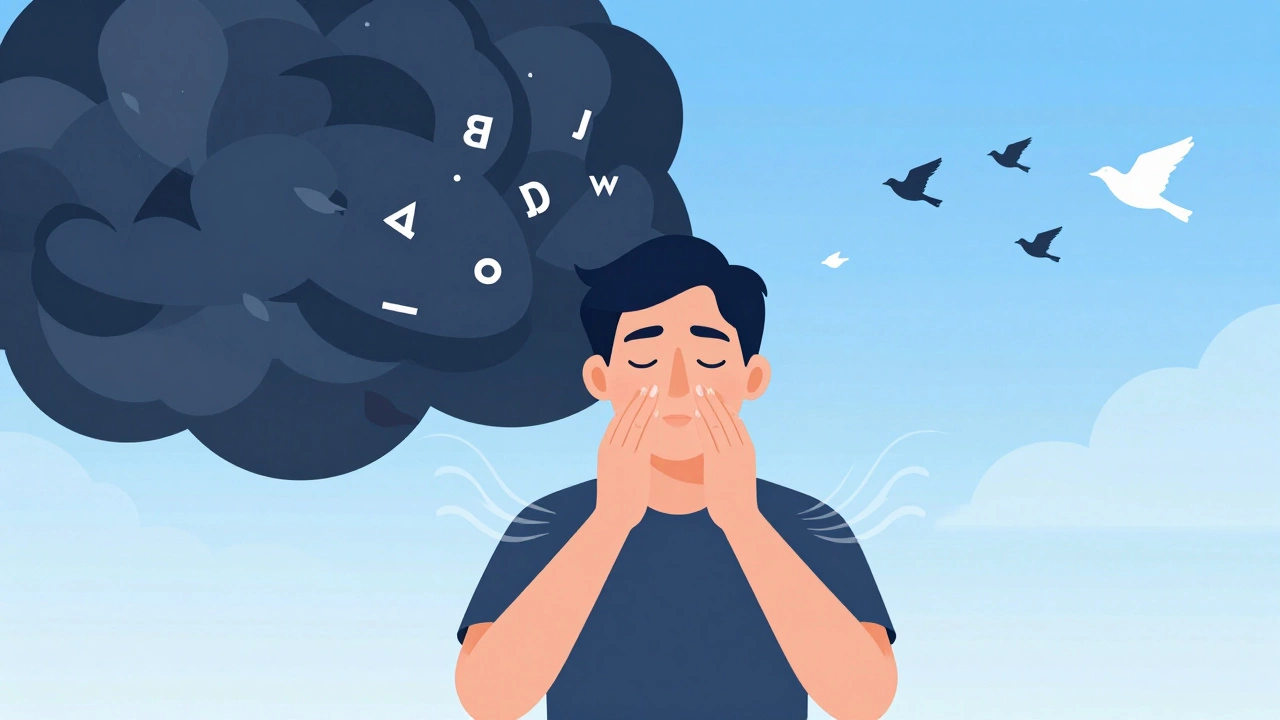
Imagine standing in a room full of people. You know the words. You know the grammar. But when it’s your turn to speak, your throat closes up. Your mind goes blank. This isn’t just shyness; it is a common barrier that stops millions from achieving speak fluently goals. The good news? It is not about knowing more vocabulary. It is about rewiring how you react to pressure.
Fear of speaking is rarely about intelligence. It is usually about perfectionism and a lack of controlled exposure. If you want to break free from this paralysis, you need strategies that target both your psychology and your practice habits. Here is how you can build real confidence, step by step.
The Root of Speaking Anxiety
Before fixing the problem, we need to understand why it happens. Most learners suffer from what psychologists call "foreign language anxiety." This spikes when you feel judged or afraid of making mistakes. In Manchester, where I live, many professionals struggle with this even in their native tongue during presentations. When you add a second language like English, the stakes feel higher.
Your brain treats potential social embarrassment as a physical threat. It triggers a fight-or-flight response. Your heart races, your palms sweat, and your access to memory slows down. This is biological, not personal failure. Recognizing this helps you stop blaming yourself for being "bad" at languages. You are simply operating under stress.
Why do I freeze up when trying to speak?
Freezing is a stress response. Your brain prioritizes safety over communication when it perceives judgment or high stakes, blocking quick access to vocabulary and grammar rules.
Start Small: Low-Stakes Practice
You cannot jump into a boardroom presentation if you are terrified of ordering coffee. You need to build tolerance gradually. Start with environments where the consequences of error are zero.
- Shadowing: Listen to a podcast or YouTube video in English. Pause after every sentence and repeat it exactly, mimicking the tone and speed. Do this alone in your car or shower. No one is judging you.
- Talk to Yourself: Narrate your day. "I am making tea now. The water is boiling." It sounds silly, but it connects your thoughts to English output without the pressure of an audience.
- Record Voice Notes: Use your phone to record a one-minute summary of your day. Listen back. You will likely cringe, which is good. It shows you are noticing gaps. Over time, you’ll hear improvement.
This method works because it desensitizes you to hearing your own voice. Many people fear speaking because they dislike how they sound. Familiarity breeds comfort.
Rewire Your Mindset: Embrace Mistakes
Perfection is the enemy of fluency. Native speakers make grammatical errors all the time. They use filler words like "um," "you know," and "actually." They get interrupted. They forget words. And yet, communication continues.
If you wait until a sentence is perfect before saying it, you will never speak. Instead, adopt the "good enough" rule. Focus on getting the message across, not on flawless grammar. If you say "I go to store yesterday" instead of "I went to the store yesterday," everyone still understands you. The conversation flows. That is success.
Shift your goal from "impressing others" to "connecting with others." When you care more about understanding the other person than performing for them, anxiety drops significantly.

Use Structured Support Systems
Practicing alone has limits. Eventually, you need interaction. But random conversations can be intimidating. Structured support provides a safe scaffold.
| Method | Anxiety Level | Feedback Quality | Best For |
|---|---|---|---|
| Self-Talk | Low | None (Self-Correction) | Building initial comfort |
| Language Exchange Apps | Medium | Peer Feedback | Cultural nuance & casual chat |
| Online Tutoring | Low-Medium | Professional Correction | Structured improvement |
| Group Classes | High | Peer Observation | Social resilience building |
For many, online tutoring offers the best balance. Platforms like iTalki or Preply allow you to hire affordable tutors for one-on-one sessions. You control the topic. You can ask them to slow down. You can pause for corrections. It feels like therapy, not a test.
If you prefer groups, look for clubs focused on specific interests, not just language. Join a book club, a hiking group, or a coding meetup where English is the medium, but the focus is on the activity. This distracts from the performance aspect of speaking.
Physical Hacks for Immediate Calm
Your body affects your mind. If you are physically tense, you will sound nervous. Use these techniques right before you need to speak:
- Box Breathing: Inhale for 4 seconds, hold for 4, exhale for 4, hold for 4. Repeat three times. This activates your parasympathetic nervous system, lowering heart rate.
- Power Posing: Stand with feet shoulder-width apart, hands on hips, chest open. Hold for two minutes before a call or meeting. Studies suggest this boosts testosterone and lowers cortisol.
- Vocal Warm-ups: Hum gently. Stretch your jaw. Say tongue twisters slowly. This loosens the muscles around your vocal cords, making speech easier and less strained.
These aren’t magic cures, but they give you a sense of control. When you feel your body relaxing, your brain interprets that as safety.
The Role of Immersion in 2026
Technology has changed immersion. You don’t need to move to London or New York to immerse yourself. AI tools now offer personalized speaking partners. Apps like ELSA Speak or Speechify provide instant feedback on pronunciation and intonation.
Change your digital environment. Set your phone, computer, and social media to English. Watch movies without subtitles, or use English subtitles only. This forces your brain to process spoken English continuously, reducing the cognitive load when you actually have to produce it.
Join online communities related to your hobbies. Reddit threads, Discord servers, or Facebook groups are great places to type first, then transition to voice chats. Many gaming communities have voice channels where you can practice casual banter in low-pressure settings.
When to Seek Professional Help
Sometimes, fear is deeper than just language learning. If you experience panic attacks, avoid all social situations, or feel depressed because of your inability to speak, consider talking to a therapist. Cognitive Behavioral Therapy (CBT) is highly effective for social anxiety.
A therapist can help you identify irrational beliefs, such as "Everyone is watching me" or "One mistake means I’m a failure." Challenging these thoughts reduces the emotional weight of speaking. It’s not a sign of weakness to seek help; it’s a strategic tool for growth.
Can I learn to speak fluently without living abroad?
Yes. With consistent daily practice, online tutoring, and digital immersion, you can achieve high fluency without traveling. The key is creating consistent exposure and feedback loops.
How long does it take to overcome speaking fear?
It varies, but most people see significant reduction in anxiety within 3-6 months of consistent, low-stakes practice. Confidence builds cumulatively with each successful interaction.
Is it normal to stutter when nervous?
Yes. Nervous stuttering is temporary and caused by stress-induced muscle tension. Slowing down, breathing deeply, and accepting pauses can reduce it significantly.
What should I do if I forget a word?
Don’t stop. Describe the word using simpler terms. For example, if you forget "umbrella," say "the thing you use in rain." This keeps the conversation flowing and often helps you recall the word later.
Are online English courses better than face-to-face?
Online courses offer flexibility and lower anxiety for beginners due to privacy. Face-to-face classes provide richer non-verbal cues. A hybrid approach often yields the best results for balanced skill development.
Speaking fluently without fear is a skill, not a talent. It requires patience, self-compassion, and deliberate practice. Start small, embrace mistakes, and keep showing up. The fear will shrink as your competence grows.